
Spine neurosurgeons diagnose and treat injuries affecting the spinal cord, vertebrae, and surrounding nerves. Athletes sustain spine injuries through high-impact collisions, repetitive strain, and sudden trauma, and the severity of these injuries determines whether treatment involves physical therapy, pain management, or surgical intervention. Because each case involves different structures and conditions, treatment plans are tailored to the individual patient. Here is more information on what spine neurosurgeons do:
What Is a Spine Neurosurgeon?
A spine neurosurgeon is a medical doctor who specializes in diagnosing and treating conditions affecting the spinal cord, vertebrae, and nerve roots. While general orthopedic surgeons treat various musculoskeletal conditions, spine neurosurgeons specialize in conditions involving the nervous system and spinal structures. This specialization allows them to identify issues like nerve compression, disc herniation, and spinal instability with accuracy; patients receive targeted care rather than generalized treatment.
What Services Do They Offer?
These neurosurgeons provide a range of services, including:
- Diagnostic evaluations using imaging and physical examinations
- Nonsurgical treatments like injections
- Surgical procedures, including spinal fusion and laminectomy
- Post-operative care and rehabilitation planning
Consulting a neurosurgeon helps determine which of these services suit each individual situation.
What Are Sports-related Injuries?
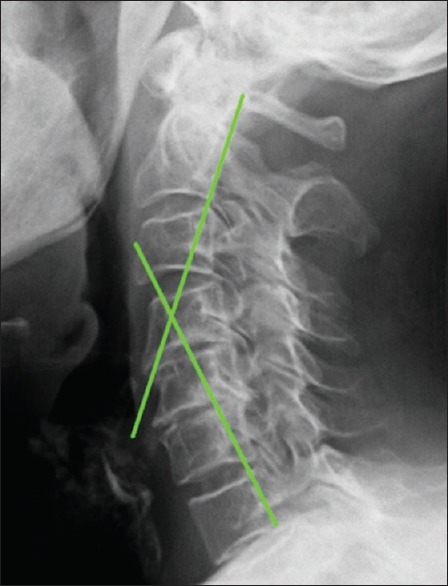
Sports-related spine injuries occur when athletic activity places excessive stress on the vertebrae, discs, or spinal nerves. Contact sports like football and hockey carry a risk of acute trauma, including fractures and dislocations, while repetitive-motion sports such as golf and rowing may produce gradual wear that leads to disc degeneration or stress fractures. A common sports-related spine injury is a herniated disc. Herniated discs occur when the soft tissue between vertebrae pushes outward and presses on nearby nerves, which causes pain.
Symptoms vary depending on the injury’s location and severity. Potential symptoms include back pain, numbness, tingling, and limb weakness, and they may develop gradually or after acute trauma. Because early intervention can affect recovery outcomes, athletes who experience these symptoms after a collision or repetitive strain should promptly seek evaluation from a spine specialist.
How Are They Treated?
Treatment for sports-related spine injuries depends on the injury’s type and severity. Minor injuries, such as muscle strains or mild disc bulges, may respond well to rest, physical therapy, and anti-inflammatory medication, which allows the spine to heal while maintaining mobility. These nonsurgical approaches work for some, and they help preserve function throughout recovery.
More severe injuries include significant disc herniation or vertebral fractures, and they may require surgical correction. A spine neurosurgeon may recommend a spinal fusion to stabilize vertebrae following a fracture. The choice between surgical and nonsurgical treatment depends on factors such as the patient’s age, the injury’s location, and the degree of nerve involvement, which the neurosurgeon evaluates carefully before deciding on a course of action.
Recovery timelines differ based on the treatment plan. Athletes who undergo surgery follow a rehabilitation program, which is designed to restore strength and flexibility before returning to competition. A spine neurosurgeon monitors healing progress, and they adjust the recovery plan as needed to reflect the patient’s response to treatment.
Schedule a Consultation Today
Spine injuries sustained during athletic activity range from minor strains to serious structural damage; a spine neurosurgeon offers the diagnostic expertise and treatment options needed to address these injuries accurately. If you have persistent back pain, numbness, or weakness after a sports injury, seek an evaluation. Early diagnosis may lead to better outcomes and a smoother return to physical activity.