

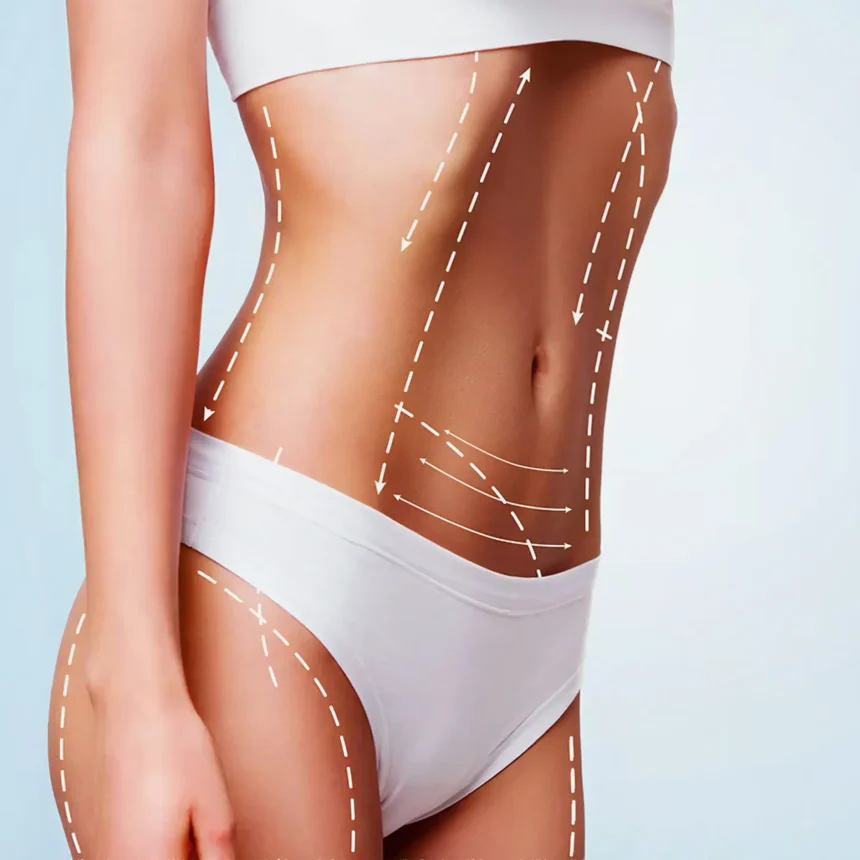
Liposuction removes fat from specific areas of the body. The surgeon uses a thin tube called a cannula to suction fat through small incisions. Body contouring reshapes the body’s outline, and liposuction is often one part of that process. While liposuction does not treat obesity, it can refine areas that resist diet and exercise.
Candidates for Liposuction
Understanding whether you’re a good candidate for liposuction is a first step in your body contouring journey.
Who Is a Good Candidate?
Liposuction targets small fat deposits rather than large amounts of fat, and common treatment areas include the abdomen, hips, thighs, arms, back, and chin. Your overall health also plays a role. Some medical conditions can increase surgical risk, so your surgeon will review your health history during your consultation. Be honest with your surgeon about your health history, medications, and lifestyle since they can determine what liposuction will achieve for you.
What Timing is Recommended?
If you plan to lose more weight, it’s best to reach your goal before scheduling a consultation. A stable weight helps preserve your outcome over time. Pregnancy and major lifestyle changes after surgery can change your shape, so discuss possible pregnancy with your surgeon before you proceed. Your surgeon can help you decide on the right timing.
Combinations With Other Procedures
Liposuction often works alongside other body contouring procedures. Your surgeon will assess your skin quality to determine whether liposuction alone is enough. Sometimes, the skin contracts well after fat removal, and no additional procedure is needed. Sometimes extra skin remains, and a skin-removal procedure improves the final contour. Timing also matters when combining procedures. Some patients choose to stage their surgeries, completing one procedure and recovering fully before scheduling another. Others combine multiple procedures in a single session when it is safe. Your surgeon will assess your health, the procedures involved, and the estimated surgery time.
Results After Treatment
If you overeat or stop exercising, you could gain weight, so healthy habits help protect your new shape. Eat balanced meals, and keep a regular exercise routine. Maintaining a stable weight after liposuction is one of the steps. A modest, sustainable routine may work better than extreme dieting, and gradual changes are easier to keep long term. Regular physical activity supports your results, and it improves overall health.
Even moderate exercise, like walking or swimming, helps keep your weight steady. If your weight changes a lot after surgery, your contour may change, and the results may look uneven. Talk to your surgeon or a registered dietitian if you need guidance on building sustainable habits. Liposuction gives you a new starting point, and your habits determine how well that starting point holds.
Schedule Your Liposuction Consultation
Liposuction is one tool within body contouring. It removes stubborn fat, and other procedures may address loose skin or volume. Before you decide, write down your goals and bring your questions to a board-certified plastic surgeon. Bring a list of medications and past surgeries to the appointment. Your surgeon can recommend a plan that fits your body and health.