

Advanced gum issues can affect the tissues and bone that support the teeth, sometimes leading to gum recession or tooth loss. A periodontist specializes in diagnosing and treating these complex conditions using procedures designed to control infection and protect supporting structures. Here’s more information on how a periodontist addresses advanced gum issues:
Assessing Gum Damage
A periodontist starts with a detailed exam before recommending any treatment. This step shows how far the problem has progressed, and it guides every decision that follows. While each practice uses its own methods, most assessments include the following:
- Gum pocket measurements: The periodontist uses a small, ruler-like tool to measure the space between each tooth and the gum.
- Dental X-rays: These images show the bone level around each tooth and reveal loss that a visual exam cannot detect.
- Gum and tooth checks: The specialist checks for bleeding, receding gums, and loose teeth.
- Health history review: Factors such as smoking, diabetes, and certain medications can affect gum health and treatment options.
Treating Deep Infection
Deep Cleaning
Scaling and root planing is a common first step for deep gum infection. During scaling, the periodontist removes plaque and tartar from below the gumline, and root planing then smooths the tooth roots so the gums have a cleaner surface to rest against. The process may take more than one visit, depending on how many areas need attention.
Surgical Care
When pockets remain deep after cleaning, a periodontist may recommend pocket reduction surgery. In this procedure, the specialist folds back the gum tissue, cleans the roots and bone, and then secures the tissue in place. This approach gives the periodontist direct access to areas that cleaning tools cannot reach.
Restoring Damaged Tissues
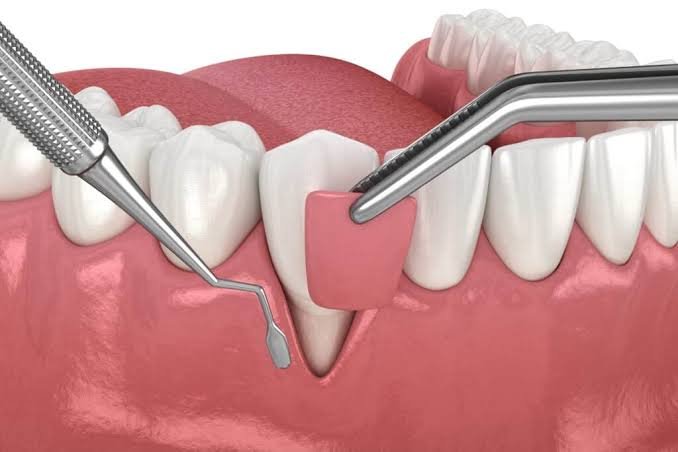
Advanced gum disease can leave behind receding gums and lost bone. A periodontist may use several procedures to rebuild these tissues, and the choice depends on the type and location of the damage. Gum grafting moves tissue from the roof of the mouth or a donor source to cover exposed roots. Bone grafting adds bone or bone-like material to areas where the jaw has thinned.
Some patients also need guided tissue regeneration, a technique that places a thin barrier between the gum and bone to create room for new tissue. When teeth are missing, a periodontist can place dental implants. Implants need enough healthy bone, so bone grafting often comes first.
Preventing Further Deterioration
Treatment does not end when the procedures are complete. Most periodontists schedule maintenance visits every few months; these visits include cleanings below the gumline and updated pocket measurements. If the periodontist detects changes early, the team can adjust the plan before problems worsen.
Daily habits at home also play a key role. Brush twice a day with a soft-bristled brush, and clean between your teeth with floss or interdental brushes once a day. Patients who smoke may want to discuss quitting with their care team, as tobacco use can affect gum health and implant outcomes.
Consult a Local Periodontist Today
A periodontist treats advanced gum issues with a clear process. The process begins with a full assessment and moves to infection treatment. The specialist may also conduct tissue restoration if damage is present. Ongoing maintenance is fundamental for protecting gum health and supporting the longevity of dental implants. Professional cleanings, along with monitoring changes in gum and bone health, allow for early intervention when needed. Contact a qualified periodontist in your locality to schedule your consultation today.