

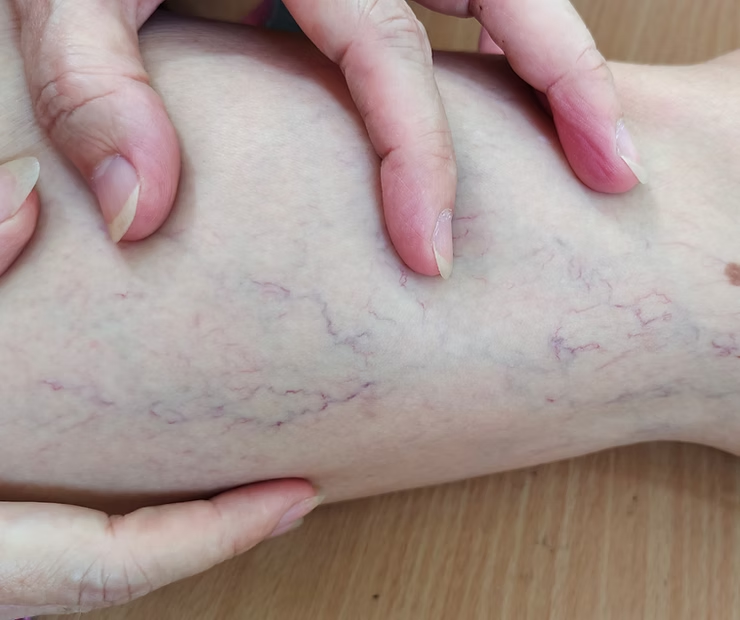
Spider veins are small, thin blood vessels that appear near the surface of your skin, and they look like red, blue, or purple lines. Many people notice them as they get older, though younger adults get them too. If these veins bother you, treatment might be a good fit. This is who should get spider vein treatment:
Adults With Spider Veins
For many adults, spider veins develop slowly over time. The veins form when tiny valves weaken, and blood pools in the small vessels. You might spot them after years of standing at work.
Genetics may play a role, so family history matters here. Most treatments target adults with fully developed veins, and results vary from person to person. If your veins have settled into a clear pattern, you may be a candidate for care.
Those With Cosmetic Concerns
Some people seek treatment purely for how their skin looks. Spider veins rarely cause pain, but their appearance bothers many clients. If you want smoother-looking skin on your legs, this treatment addresses that goal.
Cosmetic concerns are the main reason for these appointments. A specialist reviews your skin, and they map out which veins to treat. These are typical cosmetic concerns clients mention:
- Visible veins on the thighs or calves
- Clusters of red lines on the face
- Veins that show through light clothing
You describe your goals during a consultation. The provider explains realistic outcomes, and you decide together on a plan. Treatment works ideally when your expectations match what the procedure offers.
People in Stable Health
Good general health supports a smoother treatment experience. Providers ask about your medical history, and they screen for conditions that affect blood flow. You share any medications you take before booking.
Certain health factors make treatment less suitable for some people. A qualified provider reviews your details and flags any concerns early. Here are factors that shape your eligibility:
- Blood clotting disorders
- Circulation problems
- Surgeries or infections
Stable health lowers the chance of complications during care. Your provider may request clearance from your doctor, and that step protects you. Honest answers about your health help the team plan safely.
Women Who Aren’t Pregnant
Pregnancy changes how your body handles blood flow and hormones. Many spider veins that appear during pregnancy fade after delivery, so waiting makes sense. Providers typically delay treatment until after this period.
It is not recommended that pregnant women get treated for spider veins as a safety precaution. Hormonal shifts affect the veins, and new ones sometimes form during those months. If you recently gave birth, ask your provider when to schedule.
Timing your appointment around pregnancy leads to steadier results. You give your body time to recover, and the veins stabilize. A provider reviews your situation and suggests the right window for care.
Get Treated for Spider Veins
Spider vein treatment suits specific groups of people. Adults with settled veins, clients with cosmetic goals, and those in stable health tend to qualify. Women who are not pregnant round out this list. Book a consultation with a cardiology clinic today, and staff will review your needs and walk you through the next steps.