
Spine health plays a role in mobility and nervous system function because the spinal column supports the body and protects the spinal cord. A spine doctor specializes in conditions affecting the bones, joints, discs, muscles, and nerves surrounding the spine. Understanding how spinal health relates to daily physical function helps patients recognize when professional evaluation is appropriate. Here are a few ways spinal health influences overall wellness:
Good Mobility and Flexibility
A healthy spine supports movement during everyday activities such as sitting and walking. The vertebrae, joints, discs, muscles, and ligaments work together to provide spinal movement while supporting the body’s overall structure. Problems affecting these structures may contribute to pain or reduced mobility; this could make certain movements more difficult. A spine doctor evaluates spinal conditions associated with these symptoms and develops treatment based on the specific condition affecting the patient.
The spine’s natural curves and intervertebral discs also help distribute forces placed on the spine during everyday movement and physical activity. Each disc contains a softer inner portion surrounded by a tougher outer layer, which helps the spine manage pressure between the vertebrae. This structure helps distribute mechanical loads during activities such as walking, running, jumping, and lifting. Maintaining spinal mobility and addressing conditions that restrict movement supports a person’s ability to perform routine activities while reducing limitations caused by spinal pain or stiffness.
Improved Posture and Support
The spine supports the body’s weight and provides a central framework for the trunk. Its vertebrae connect with surrounding bones and structures, including the ribs and pelvis, while muscles and ligaments help stabilize the spine during movement. The spine also provides attachment points for muscles involved in maintaining posture and controlling movement throughout the trunk. A healthy spine provides structural support for several parts of the body, including:
- Ribs
- Head
- Neck
- Back muscles
- Trunk muscles
- Pelvis
Changes affecting the spine, muscles, or supporting tissues may make it harder to maintain an upright posture. Prolonged or altered posture also changes the position of the head, shoulders, and trunk, which places additional strain on certain muscles and joints. The thoracic spine connects with the ribs and contributes to movement of the chest during breathing. Changes in thoracic posture affect ribcage position and movement, which influence breathing mechanics.
Optimal Neurotransmission and Sleep
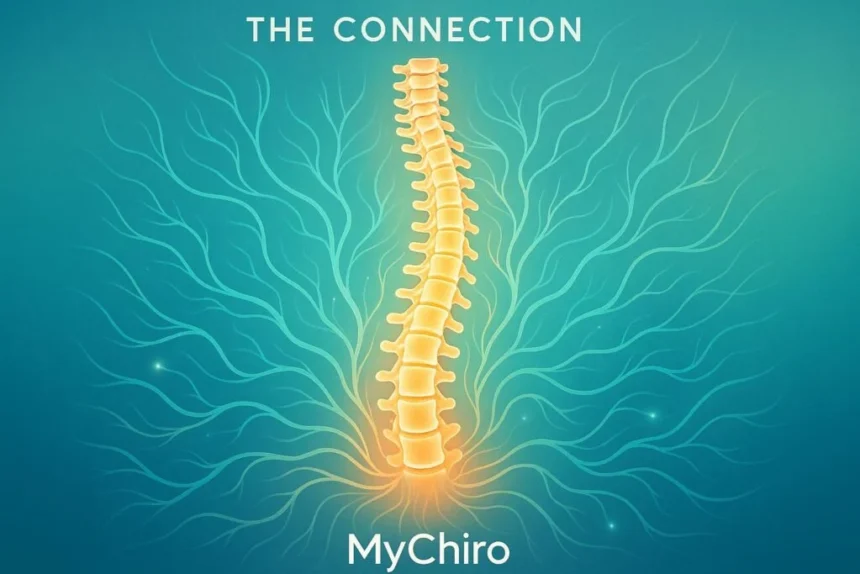
The spine houses and protects the spinal cord, which forms part of the central nervous system and serves as a pathway for nerve signals between the brain and body. These signals help control movement and transmit sensory information, including sensations related to touch, temperature, pressure, and pain. The spinal cord connects with spinal nerves that carry these signals to and from different areas of the body.
When a spinal condition affects the spinal cord or nearby nerve roots, symptoms include localized pain, numbness, tingling, muscle weakness, or sharp pain that travels into an arm or leg. Spinal conditions do not always involve nerve compression; narrowing around the spinal cord or nerve roots could interfere with normal nerve function. The specific effects depend on the location and severity of the underlying spinal problem, as well as the nerves involved.
Pain, muscle discomfort, numbness, or tingling associated with a spinal condition could also make it harder to fall asleep or remain asleep during the night. These symptoms interrupt comfortable sleep by making certain positions difficult to maintain or causing discomfort when changing positions. Aspine doctor evaluates the spine and related symptoms to identify potential causes and determine appropriate treatment options. They use the patient’s symptoms and diagnostic testing when appropriate to develop a treatment plan for the underlying spinal condition.
Schedule a Spine Doctor Appointment
Good spinal health supports movement and helps maintain the body’s structural stability during everyday activities. The spine and surrounding muscles contribute to posture and movement, while the thoracic spine and ribs move as part of normal breathing. Addressing spinal pain and movement limitations helps reduce physical strain associated with affected movements and activities. Schedule an appointment to see a doctor to help you manage any spine health issues.