

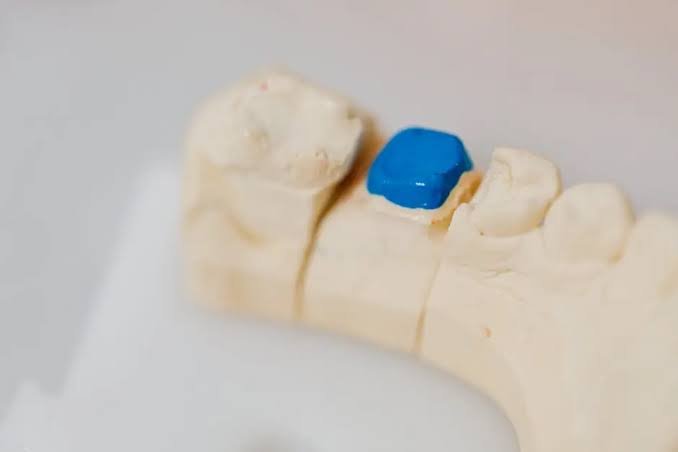
A teeth gap (also called diastema) is a visible space between two or more teeth. Teeth gap filling refers to treatments that close or reduce space.
The treatment could involve the application of materials to the teeth, the movement of the teeth closer to each other, or the correction of the underlying condition that caused the gap.
The most appropriate procedure is determined by the size and location of the gap and an individual’s dental needs and desired outcome.
This article helps you to know about teeth filling, teeth gap closing, and ways to fill the gap.
Teeth Gap Filling Options Compared
| Option | How it works | Best for |
| Dental bonding | Tooth-colored resin is applied to the sides of the teeth, shaped, and hardened with a light. | Small to moderate gaps |
| Porcelain veneers | Thin ceramic shells are bonded to the front of the teeth, closing the gap by widening them slightly. | Gaps plus changes to shape or color |
| Clear aligners | Removable transparent trays gradually move the teeth together. | Mild to moderate spacing, keeping natural teeth untouched |
| Braces | Fixed brackets and wires (metal, ceramic, or lingual) move the teeth. | Large gaps, multiple spaces, or gaps tied to a bite problem |
| Frenectomy | A minor procedure releases or reshapes the tissue band holding the front teeth apart. | Gaps caused by a low frenum |
| Crowns, implants, or bridges | Rebuild a small or damaged tooth or replace a missing one. | Small, damaged, or missing teeth |
Note: The correct option relies upon the size of the gap, cause of the gap, your bite, and the overall health of your teeth and gums. A dentist or orthodontist can assess your smile and recommend the safest approach.
Should You Have Your Gap Checked?
Oral health should be a priority. The food and plaque can easily be accumulated in the spaces between the teeth gaps. This can make hygiene quite harder to maintain, thereby increasing the risk of cavities and gum disease. Consider booking a dental checkup if:
- The gap appeared recently or seems to be increasing
- Your teeth feel loose
- Gums are inflamed
- Bite appears to be shifting
- Food frequently gets stuck in your gap
A gap that becomes visible in adulthood can signal teeth shifting or gum disease, and that definitely needs fixing before any cosmetic decision.
Note for parents: In children, if a gap is present in upper front teeth is often a normal stage of growth and the gap eventually closes as adult teeth come in. Consult a dentist for a definitive guidance.
Gap Filling vs. Gap Closing: The Difference?
People use these terms interchangeably, but they actually describe two varied approaches.
- Gap filling adds material to the teeth. Bonding, veneers, and crowns work this way. The space closes and the teeth are just relatively wider.
- Gap closing moves the teeth together. Braces and aligners work this way. Nothing is added to the teeth, so they keep their natural size.
So, if your teeth are already a good size, filling a wide gap can make them look too broad. If your teeth are small, filling can actually improve proportions. Your dentist can actually tell you which applies to you.
Myths About Teeth Gaps
- “Gaps mean you have bad teeth.”
Fact: No. They’re often down to jaw and tooth size, which is genetic.
- “Rubber bands can close a gap at home.”
Fact: Dangerous. Bands can slip below the gumline and damage the tooth’s support.
- “Once it’s closed, it’s closed.”
Fact: Not without a retainer. Teeth can drift back.
- “You can widen or create a gap safely at home.”
Fact: No. Anything that moves teeth needs professional planning.
- “Closing a gap is only cosmetic.”
Fact: Sometimes it also improves hygiene or bite, depending on the cause.
7 Common Mistakes When Filling a Teeth Gap
- Don’t skip the diagnosis. Only a proper diagnosis can give a general understanding of the situation. Without diagnosis, you may just be filling a hole, not a gap.
- Don’t make your decision solely on cost. Cheapest options can actually cost more if they need to redo.
- Don’t attempt any home remedies. In most cases, they can be more harmful than beneficial.
- Don’t neglect your gum health. Inflammation of the gums and related problems should be resolved prior to any cosmetic dental procedures.
- Forgetting about maintenance. Maintenance varies according to the approaches. Aligners and braces require retainers, while bonding and veneers may need monitoring, polishing, repair, or replacement over a brief period of time. And that maintenance is quite crucial.
- Don’t forget about reversibility. It is recommended to learn about the reversibility of the procedure to know how long the results will last.
- Don’t rush the decision. Take time to compare options and get a second opinion.
Questions to Ask the Dentist About Teeth Gap Filling
- What’s causing my gap?
- Is it healthy as it is, and can it be narrowed rather than fully closed?
- Which option suits my teeth, and why?
- Will the treatment change my natural teeth permanently?
- How long will this take, and how long will it last?
- What is the complete cost for each of the treatment options available for teeth gaps?
- How do we stop the gap from returning?
Can a Teeth Gap Come Back After Gap Filling?
Yes, in some cases, a space between the teeth can recur. The recurrence depends on the treatment method selected and the state of your teeth and gums. Wearing retainers as recommended by your dentist is vital to ensure the results last.
Conclusion
There is no universal best way to fill a gap between teeth. It depends on the situation, the cause of the gap, and the desired outcome. No matter the procedure, a dental examination, determination of the cause, and a careful selection of the most appropriate option are the pillars of successful treatment.
Because the right smile is not about the absence of a gap. It is the smile that makes you feel good about yourself.