

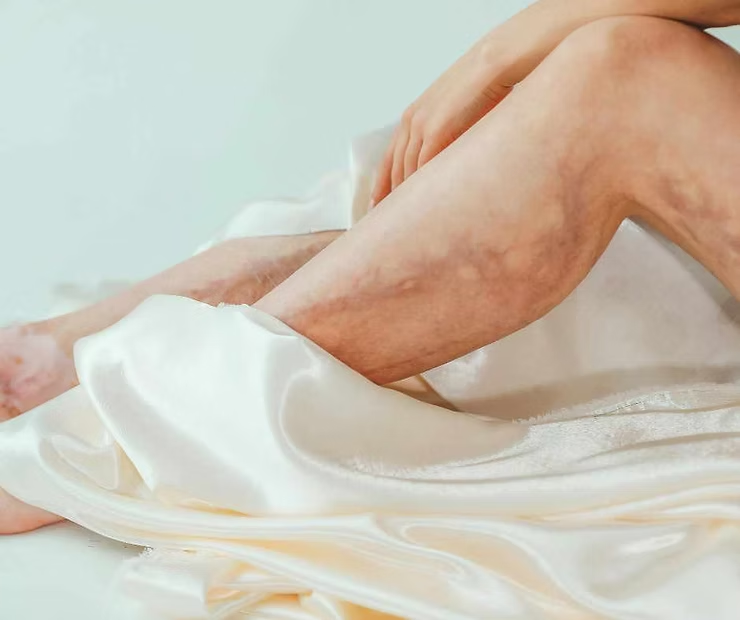
Varicose veins typically appear on the legs and feet, and they form when valves inside the veins weaken and blood pools instead of flowing back to your heart. Many people notice them as twisted, bulging cords beneath the skin. If you spot these changes, learning the signs helps you know when to seek care. Here are some of the main symptoms and risks of this condition:
Key Symptoms
Varicose veins produce visible and physical signs. Some symptoms stay mild, while others grow with time. Since early awareness guides your next steps, watching for these clues matters.
Visible Changes
You might first notice dark blue or purple veins on your legs. Since the appearance shifts over months, tracking changes helps you describe them to a doctor. These veins look twisted and bulge above the skin, and they stand out most after long periods of standing.
Smaller spider veins sometimes appear nearby. They form thin, web-like patterns, and they typically surround the larger veins. If you see clusters spreading, note the location and size.
Physical Sensations
Aching or heaviness in the legs is a typical complaint. Since discomfort tends to build during the day, many people notice it most by evening. You may feel throbbing after sitting, and swelling follows near the ankles.
Muscle cramps strike at night, and burning sensations flare after long shifts. Some people report itching around a vein. When symptoms disrupt sleep or movement, that pattern signals a need for review.
Key Risks
Left unchecked, varicose veins sometimes lead to complications. The skin near the vein may change color, and small sores called ulcers can develop. As untreated veins strain circulation, tracking new symptoms protects your health.
Blood clots present a serious concern. A clot in a surface vein causes pain and firmness, and deeper clots require quick medical attention. If a leg suddenly swells or reddens, contact a medical provider near you right away.
Key Factors
Several factors raise your likelihood of developing varicose veins. Age weakens vein walls over time, and genetics play a large role. Since these influences overlap, knowing your risk helps you stay alert to early signs.
A few major contributors include:
- Abnormal pregnancy and hormonal shifts
- Long hours standing or sitting
- Excess body weight
- Genetic history of vein problems
Lifestyle also shapes your risk. Regular movement supports circulation, and elevating your legs eases pressure. When small habits add up, steady changes may slow the progression of symptoms.
Certain groups face higher odds than others. Women develop varicose veins more often than men, and risk climbs after multiple pregnancies. If several factors apply to you, watch your legs closely for changes.
Get Treated for Varicose Veins
Varicose veins don’t resolve without attention, so a specialist reviews your symptoms, and imaging tests map how your veins function. Some patients start with compression stockings and leg elevation, while others need minimally invasive procedures. If home measures aren’t adequate, a provider explains what comes next. Schedule a consultation today to review your symptoms with a vein specialist; early evaluation gives you clear information about your options.