
Introduction
Back pain is one of the most common health problems in the world. It can happen to anyone — office workers, drivers, athletes, or even people who do light daily tasks. Long sitting hours, poor posture, stress, or muscle strain are often the main reasons.
- Introduction
- What is Massage Therapy?
- How Massage Therapy Helps Back Pain
- 1. Relaxes Tight Muscles
- 2. Improves Blood Flow
- 3. Reduces Stress
- 4. Improves Flexibility
- 5. Releases Pain-Trigger Points
- Types of Massage for Back Pain
- Who Can Benefit from Massage Therapy?
- Simple Tips Before Getting a Massage
- Possible Side Effects
- Conclusion
One natural and effective way to manage back pain is massage therapy. It helps relax muscles, improve blood flow, and reduce stiffness. Many people use it as a safe alternative or support to medicine.
What is Massage Therapy?
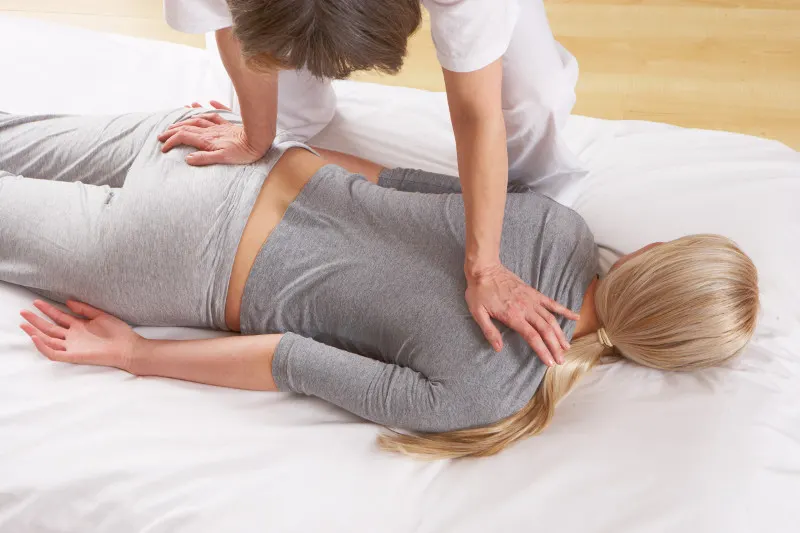
Massage therapy is a hands-on treatment where a trained therapist applies pressure, movement, and rubbing techniques on the body’s muscles and soft tissues.
The goal is simple:
- Reduce muscle tension
- Improve circulation
- Relieve pain
- Promote relaxation
There are different types of massage, such as deep tissue massage, Swedish massage, and trigger point therapy. Each one works in a slightly different way.
How Massage Therapy Helps Back Pain
Massage therapy works in several natural ways to reduce back pain:
1. Relaxes Tight Muscles
When muscles are tight or overworked, they cause pain. Massage helps loosen these muscles and reduces stiffness.
2. Improves Blood Flow
Better circulation brings oxygen and nutrients to the muscles. This helps the body heal faster.
3. Reduces Stress
Stress often makes back pain worse. Massage lowers stress hormones and helps the body feel calm.
4. Improves Flexibility
Regular massage can make the back more flexible, reducing the risk of future injuries.
5. Releases Pain-Trigger Points
Sometimes small knots in muscles cause sharp pain. Massage helps release these trigger points.
Types of Massage for Back Pain
1. Deep Tissue Massage
This type targets deep layers of muscles. It is very effective for chronic back pain and muscle stiffness.
2. Swedish Massage
A gentle massage that focuses on relaxation and improving blood flow.
3. Trigger Point Therapy
This focuses on specific painful spots in the back.
4. Hot Stone Massage
Warm stones are used to relax muscles and reduce tension.
Who Can Benefit from Massage Therapy?
Massage therapy is helpful for:
- Office workers with long sitting hours
- People with lower back pain
- Athletes with muscle strain
- Elderly people with stiffness
- People with stress-related pain
Simple Tips Before Getting a Massage
- Drink water before and after the session
- Tell your therapist about your pain level
- Avoid heavy meals before massage
- Choose a certified massage therapist
Possible Side Effects
Massage therapy is generally safe, but some people may feel:
- Mild soreness after the session
- Temporary tiredness
- Slight bruising in deep massage cases
These effects usually go away quickly.
Conclusion
Massage therapy is a natural and effective way to manage back pain. It not only helps reduce pain but also improves overall physical and mental well-being. When combined with proper posture, exercise, and healthy habits, it can make a big difference in long-term back health.
FAQs
1. How often should I get a massage for back pain?
It depends on your condition. For chronic pain, 1–2 times a week is common. For mild pain, once every 2 weeks may be enough.
2. Is massage therapy safe for everyone?
Most people can safely get massage therapy, but those with serious medical conditions should consult a doctor first.
3. How long does it take to feel relief?
Some people feel better after one session, while others need a few sessions for long-term improvement.
4. Can massage replace medicine for back pain?
Massage helps reduce pain naturally, but it should not always replace medical treatment. It works best as a supportive therapy.
5. Which massage is best for lower back pain?
Deep tissue massage and trigger point therapy are often most effective for lower back pain.