

The digital world is changing faster than ever. Businesses, designers, and technology experts are always searching for smarter systems that can grow, adapt, and improve over time. One modern concept that is gaining attention is lufanest.
- What Is Lufanest?
- The Origin and Meaning Behind Lufanest
- Core Principles of Lufanest
- Why Lufanest Is Becoming Popular
- Lufanest in Digital Technology
- Lufanest in Sustainable Architecture
- Lufanest in Business and Organizations
- The Role of Biomimicry in Lufanest
- Benefits of Lufanest
- Challenges and Limitations of Lufanest
- How Lufanest Relates to Artificial Intelligence
- Lufanest and Smart Cities
- The Future of Lufanest
- Lufanest in Education
- Lufanest in Healthcare
- How Businesses Can Apply Lufanest Principles
- Invest in Smart Technologies
- Focus on Scalability
- Improve Sustainability Practices
- Encourage Organizational Flexibility
- Use Data Intelligently
- Lufanest and Human-Centered Design
- Why Lufanest Matters in 2026 and Beyond
- Common Misunderstandings About Lufanest
- It Is Not Just About Technology
- It Is Not a Single Product
- It Is Not Limited to Large Companies
- It Is More Than Automation
- Expert Insights on Lufanest
- Practical Examples of Lufanest Concepts
- SEO and Digital Marketing Connections
- Final Thoughts
- FAQs About Lufanest
- Is lufanest a real technology or just a concept?
- Can small businesses use lufanest principles?
- How does lufanest support environmental sustainability?
- Is lufanest connected to artificial intelligence?
- Why is lufanest important for future cities?
- Does lufanest only apply to digital industries?
- Can lufanest improve customer experiences?
- What industries may benefit most from lufanest in the future?
Lufanest is a contemporary conceptual framework that describes adaptive, structured, and nest-like systems used in digital technology, design thinking, sustainability, innovation, and smart environments. The term combines ideas of flexibility, intelligent organization, modular structure, and long-term sustainability.
Unlike traditional systems that remain fixed and rigid, lufanest focuses on systems that can evolve naturally. These systems are designed to respond to changing conditions while keeping stability, efficiency, and user comfort.
Today, many industries are moving toward adaptive technologies. From artificial intelligence and smart cities to eco-friendly architecture and digital ecosystems, the idea behind lufanest is becoming more relevant. It encourages the creation of environments that are connected, organized, scalable, and sustainable.
This article explains everything about lufanest in simple language. You will learn its meaning, origins, applications, benefits, challenges, future trends, and why experts believe it may shape the next generation of digital and sustainable innovation.
What Is Lufanest?
Lufanest is a modern conceptual term used to describe systems that behave like a “nest.” These systems are structured yet flexible. They are designed to support growth, adaptation, protection, and efficient organization.
The concept is often associated with:
- Adaptive digital systems
- Sustainable architecture
- Smart technology ecosystems
- Human-centered design
- AI-driven infrastructure
- Modular organizational systems
- Eco-conscious innovation
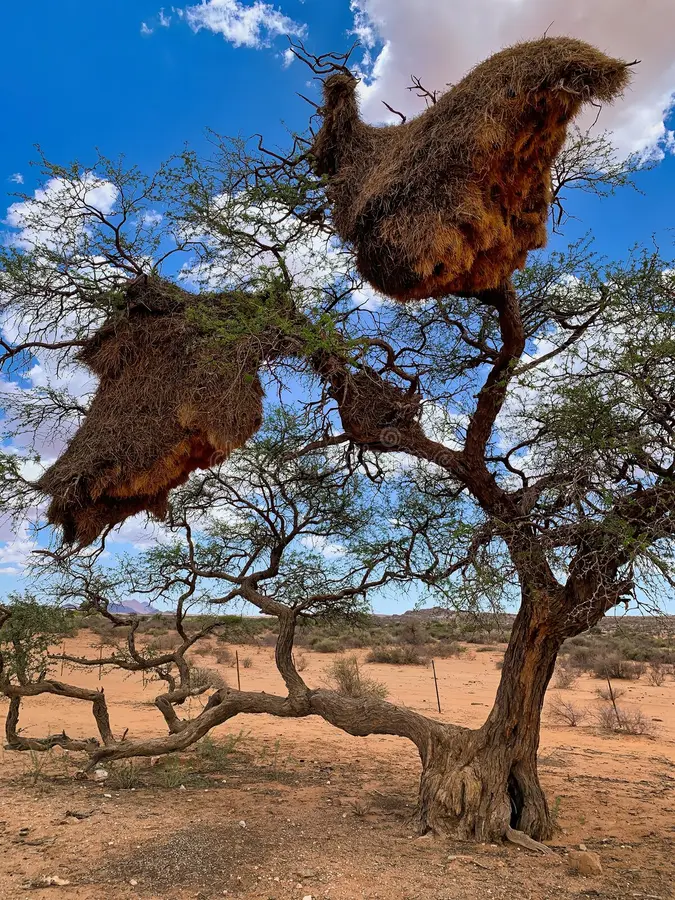
The word “nest” symbolizes a safe, organized, and expandable structure. Birds build nests carefully using available materials while adapting to environmental conditions. Similarly, lufanest systems are built to adjust according to needs, environments, and future demands.
In technology and design, lufanest represents systems that can:
- Self-organize
- Improve efficiency
- Scale smoothly
- Support interconnected functions
- Adapt to user behavior
- Reduce waste
- Enhance sustainability
The concept is still evolving, which makes it exciting for researchers, designers, and innovators.
The Origin and Meaning Behind Lufanest
Although lufanest is a relatively new conceptual term, its philosophy comes from multiple disciplines.
Also Read:Dojen Moe: The Ultimate Guide to Doujin and Moe Culture in 2026
The idea combines principles from:
- Nature-inspired design
- Biomimicry
- Sustainable engineering
- Digital ecosystems
- Artificial intelligence
- Modular architecture
- Adaptive organizational systems
The inspiration mainly comes from how nature creates balanced systems. Natural nests are not random. They are intelligently designed structures that support survival, comfort, growth, and efficiency.
Lufanest applies this natural logic to modern systems.
For example:
- A smart home that adjusts lighting automatically
- A digital platform that reorganizes content based on user behavior
- A sustainable building designed for climate adaptation
- A business model that evolves with market conditions
All these systems reflect the lufanest philosophy.
Core Principles of Lufanest
Adaptability
Adaptability is one of the most important principles of lufanest. Systems should be able to respond to changing conditions without failing.
For example, modern AI systems learn from data and improve performance over time. This is a form of adaptive behavior.
A lufanest-based system is never completely static. It evolves continuously.
Structured Flexibility
Lufanest systems are organized but not rigid. They maintain structure while allowing flexibility.
This balance is important because systems that are too rigid often fail when environments change. On the other hand, systems without structure become chaotic.
Lufanest creates controlled adaptability.
Sustainability
Sustainability plays a major role in the lufanest concept. Modern industries are under pressure to reduce waste, energy consumption, and environmental damage.
Lufanest promotes:
- Resource efficiency
- Smart energy use
- Long-term planning
- Eco-friendly design
- Circular system models
This makes it valuable in architecture, urban planning, and green technology.
Interconnectivity
Lufanest systems are interconnected. Different components work together as one ecosystem.
For example:
- Smart devices connected through IoT
- Cloud-based collaborative systems
- AI-powered automation networks
Interconnectivity improves communication, efficiency, and coordination.
Scalability
A good lufanest structure can grow without losing efficiency.
For example:
- A software platform handling millions of users
- A smart city expanding infrastructure
- A modular business system supporting global operations
Scalability is essential for future-ready innovation.
Why Lufanest Is Becoming Popular
The popularity of lufanest is growing because modern systems face complex challenges.
Traditional models are often unable to handle:
- Rapid digital transformation
- Environmental concerns
- Changing consumer behavior
- Technological disruption
- Global scalability demands
Lufanest offers a smarter approach.
Businesses and organizations now prefer systems that can:
- Adapt quickly
- Operate efficiently
- Reduce operational waste
- Improve user experiences
- Support sustainability goals
The concept also aligns with modern technological trends like AI, automation, and smart infrastructure.
Lufanest in Digital Technology
Digital technology is one of the biggest areas where lufanest concepts are being explored.
Artificial Intelligence
AI systems naturally reflect adaptive behavior. Machine learning models continuously improve based on data.
Lufanest-inspired AI systems focus on:
- Self-learning structures
- Dynamic optimization
- Predictive adaptation
- Intelligent automation
For example, recommendation engines on streaming platforms adapt to user preferences over time.
Cloud Computing
Cloud systems represent scalable and interconnected environments.
A lufanest cloud model focuses on:
- Flexible resource allocation
- Efficient data organization
- Smart scalability
- Energy optimization
This improves both performance and sustainability.
Smart Devices and IoT
Internet of Things technology depends heavily on interconnected systems.
Smart homes are perfect examples of lufanest concepts because devices communicate, adapt, and optimize automatically.
Examples include:
- Smart thermostats
- Intelligent lighting
- Voice-controlled systems
- Automated security systems
These technologies create responsive living environments.
Cybersecurity
Modern cybersecurity systems must adapt to evolving threats.
Lufanest-inspired cybersecurity includes:
- Real-time threat detection
- Adaptive defense mechanisms
- Self-improving security models
This helps organizations stay protected in changing digital environments.
Lufanest in Sustainable Architecture
Sustainable architecture is another major area connected to lufanest.
Modern buildings are no longer just physical structures. They are becoming intelligent ecosystems.
Adaptive Building Design
Lufanest architecture focuses on buildings that adjust to environmental conditions.
Examples include:
- Smart ventilation systems
- Automated temperature control
- Solar energy integration
- Natural lighting optimization
These features improve energy efficiency.
Modular Construction
Modular construction supports flexibility and scalability.
Buildings can be expanded, reorganized, or upgraded without complete reconstruction.
This reduces:
- Material waste
- Construction costs
- Environmental impact
Eco-Friendly Urban Planning
Smart cities use lufanest principles to create sustainable urban ecosystems.
Features may include:
- Smart traffic management
- Renewable energy systems
- Efficient waste management
- Connected public transportation
The goal is to improve urban living while reducing environmental damage.
Lufanest in Business and Organizations
Businesses are also adopting lufanest-style models.
Agile Organizational Structures
Traditional corporate structures are often slow and inflexible.
Lufanest encourages:
- Decentralized collaboration
- Adaptive workflows
- Cross-functional teams
- Faster decision-making
This improves innovation and responsiveness.
Customer-Centered Systems
Modern businesses must respond quickly to customer needs.
Lufanest systems help companies:
- Personalize user experiences
- Analyze customer behavior
- Improve service efficiency
- Adapt marketing strategies
Data-Driven Decision Making
Data analytics supports adaptive business systems.
Lufanest-based organizations use real-time data to:
- Predict trends
- Improve operations
- Reduce inefficiencies
- Optimize performance
The Role of Biomimicry in Lufanest
Biomimicry means learning from nature to solve human problems.
Lufanest strongly connects with biomimicry because natural systems are highly efficient.
Nature teaches valuable lessons about:
- Adaptation
- Resource management
- Structural efficiency
- Ecosystem balance
For example:
- Honeycomb structures inspire engineering designs
- Bird nests inspire adaptive architecture
- Forest ecosystems inspire decentralized networks
By studying nature, designers create smarter human systems.
Benefits of Lufanest
Improved Efficiency
Adaptive systems reduce wasted resources and improve performance.
This saves:
- Time
- Energy
- Money
- Human effort
Also Read:Duaction: The Smart AI Tool Changing Web Development in 2026
Better User Experience
Lufanest systems often focus on human-centered design.
Users benefit from:
- Personalized interactions
- Greater convenience
- Smarter automation
- Simplified experiences
Long-Term Sustainability
Sustainability is critical for the future.
Lufanest encourages systems that support environmental responsibility.
Greater Innovation
Flexible systems allow continuous experimentation and improvement.
This helps organizations remain competitive.
Future Readiness
Lufanest systems are designed to evolve with future changes.
This reduces the risk of technological obsolescence.

Challenges and Limitations of Lufanest
Despite its advantages, lufanest also faces challenges.
Complexity
Adaptive systems can become highly complex.
Managing interconnected systems requires advanced expertise.
High Initial Costs
Smart infrastructure and adaptive technologies often require major investments.
Smaller businesses may struggle with implementation costs.
Security Risks
Connected systems increase cybersecurity risks.
More interconnectivity means more possible vulnerabilities.
Dependence on Technology
Overreliance on automation can create operational risks if systems fail.
Standardization Issues
Since lufanest is still an evolving concept, industries may lack standard implementation methods.
How Lufanest Relates to Artificial Intelligence
Artificial intelligence and lufanest share several similarities.
Both focus on:
- Learning
- Adaptation
- Optimization
- Intelligent decision-making
AI enhances lufanest systems by making them smarter and more responsive.
Examples include:
- AI-powered smart homes
- Predictive maintenance systems
- Intelligent healthcare platforms
- Automated customer service
The future of lufanest may become deeply connected with AI development.
Lufanest and Smart Cities
Smart cities are one of the best real-world examples of lufanest principles.
Modern urban populations create challenges related to:
- Traffic congestion
- Pollution
- Energy demand
- Waste management
Lufanest-inspired smart cities use interconnected systems to improve urban efficiency.
Key Features of Smart Cities
Intelligent Transportation
Traffic systems adjust dynamically based on congestion.
Smart Energy Grids
Energy distribution becomes more efficient.
Environmental Monitoring
Sensors monitor air quality, weather, and infrastructure conditions.
Connected Public Services
Governments improve public service delivery through digital systems.
The Future of Lufanest
The future of lufanest looks highly promising.
Several global trends support its growth:
- Artificial intelligence expansion
- Smart infrastructure development
- Sustainable innovation demand
- Remote digital ecosystems
- Climate-conscious technology
In the future, lufanest concepts may influence:
- Education systems
- Healthcare technology
- Robotics
- Transportation
- Virtual environments
- Sustainable manufacturing
As industries continue evolving, adaptive systems will become increasingly valuable.
Lufanest in Education
Education systems are also becoming more adaptive.
Traditional learning methods are changing rapidly.
Lufanest-inspired education includes:
- Personalized learning platforms
- AI-assisted teaching
- Flexible digital classrooms
- Interactive educational ecosystems
Students can learn at their own pace while receiving customized support.
Lufanest in Healthcare
Healthcare technology benefits greatly from adaptive systems.
Examples include:
- Smart patient monitoring
- AI-assisted diagnosis
- Adaptive treatment planning
- Connected healthcare databases
These systems improve healthcare efficiency and patient outcomes.
How Businesses Can Apply Lufanest Principles
Businesses can adopt lufanest strategies in several ways.
Invest in Smart Technologies
Automation and AI improve operational adaptability.
Focus on Scalability
Systems should support future growth.
Improve Sustainability Practices
Eco-friendly operations create long-term benefits.
Encourage Organizational Flexibility
Agile structures improve innovation.
Use Data Intelligently
Real-time analytics help organizations respond quickly.
Lufanest and Human-Centered Design
Human-centered design is a key part of lufanest.
Technology should support human needs instead of creating unnecessary complexity.
Good lufanest systems are:
- Simple to use
- Efficient
- Comfortable
- Accessible
- Responsive
This improves adoption and user satisfaction.
Why Lufanest Matters in 2026 and Beyond
Modern society is entering an era where adaptability is essential.
Rigid systems struggle in fast-changing environments.
Lufanest matters because it encourages:
- Smarter innovation
- Sustainable growth
- Efficient resource management
- Better human experiences
- Long-term resilience
As industries continue transforming, adaptive systems will likely become standard rather than optional.
Common Misunderstandings About Lufanest
It Is Not Just About Technology
Although technology is important, lufanest also applies to design, business, sustainability, and organizational structures.
It Is Not a Single Product
Lufanest is a conceptual framework, not a specific software or device.
It Is Not Limited to Large Companies
Small businesses can also apply adaptive and scalable principles.
It Is More Than Automation
Automation is only one part of the broader adaptive ecosystem.
Expert Insights on Lufanest
Many experts believe adaptive ecosystems represent the future of innovation.
Researchers emphasize that successful future systems must balance:
- Technology
- Sustainability
- Human needs
- Scalability
- Flexibility
Lufanest combines all these areas into one evolving framework.
Experts also suggest that businesses ignoring adaptive transformation may struggle in highly competitive markets.
Practical Examples of Lufanest Concepts
Smart Offices
Modern offices use adaptive lighting, climate control, and collaborative systems.
E-Commerce Platforms
Online stores personalize recommendations based on user behavior.
Renewable Energy Systems
Smart grids optimize energy distribution automatically.
Adaptive Mobile Apps
Apps learn user preferences and improve experiences over time.
Flexible Manufacturing
Factories use automation and AI to adapt production dynamically.
SEO and Digital Marketing Connections
Interestingly, lufanest concepts also connect with modern SEO and digital marketing.
Also Read:Seekde: The Future of AI Search and Smart Information Discovery
Search engines now prioritize:
- User experience
- Structured content
- Fast adaptability
- Mobile optimization
- Intelligent content organization
Adaptive websites perform better because they respond effectively to changing user behavior and search trends.
Final Thoughts
Lufanest represents a modern vision for adaptive, scalable, and sustainable systems. The concept combines ideas from technology, design, sustainability, biomimicry, and human-centered innovation.
In a world where change happens rapidly, flexibility has become one of the most valuable qualities. Lufanest encourages systems that are not only intelligent but also resilient and future-ready.
Whether applied to digital technology, smart cities, architecture, healthcare, business, or education, the principles behind lufanest support smarter and more sustainable growth.
As industries continue evolving, the importance of adaptive ecosystems will only increase. Organizations and innovators that understand these concepts today may gain significant advantages in the future.
Lufanest is more than just a trend. It reflects a broader shift toward intelligent, connected, and sustainable systems designed for the challenges of tomorrow.
FAQs About Lufanest
Is lufanest a real technology or just a concept?
Lufanest is mainly a conceptual framework rather than a single product or technology. It describes adaptive and interconnected systems used across multiple industries.
Can small businesses use lufanest principles?
Yes, small businesses can apply lufanest ideas through scalable tools, automation, flexible workflows, and sustainable business practices.
How does lufanest support environmental sustainability?
Lufanest encourages efficient resource use, smart energy management, modular systems, and reduced waste, helping organizations lower environmental impact.
Is lufanest connected to artificial intelligence?
Yes, AI is often part of lufanest systems because AI supports learning, automation, adaptability, and intelligent decision-making.
Why is lufanest important for future cities?
Future cities need adaptive infrastructure to manage traffic, energy, pollution, and public services efficiently. Lufanest helps create smarter urban ecosystems.
Does lufanest only apply to digital industries?
No, the concept also applies to architecture, education, healthcare, sustainability, urban planning, and organizational management.
Can lufanest improve customer experiences?
Yes, adaptive systems personalize interactions, improve efficiency, and respond to user behavior, creating smoother and more satisfying experiences.
What industries may benefit most from lufanest in the future?
Industries like AI, healthcare, smart infrastructure, renewable energy, education, and digital technology are expected to benefit significantly from lufanest principles.