

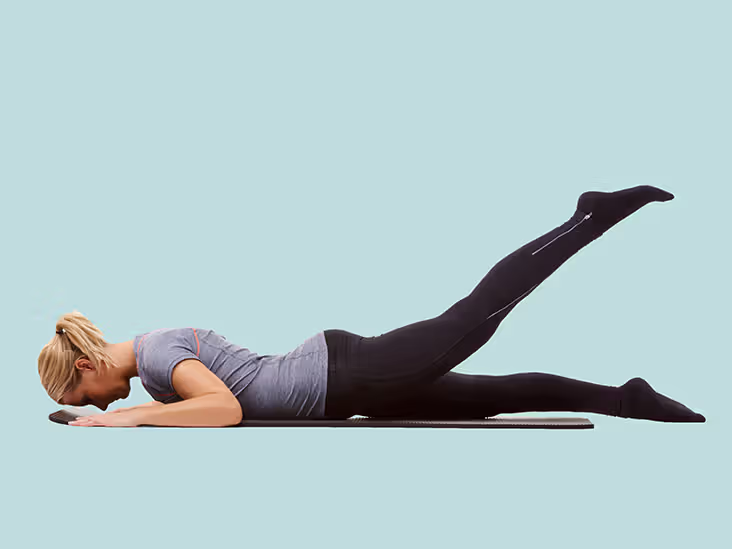
Joint pain is a common problem that affects people of all ages. It can happen in the knees, shoulders, hips, hands, or even the ankles. For some people, it is a mild discomfort, but for others, it can make daily life very difficult. Simple activities like walking, climbing stairs, or even holding objects can become painful.
The good news is that regular and gentle joint pain relief exercises can help reduce stiffness, improve flexibility, and strengthen the muscles around your joints. This article will explain everything in an easy way so you can understand how exercise can support your joint health and how to start safely at home.
What Causes Joint Pain?
Before learning about exercises, it is important to understand why joint pain happens. There are several reasons, including:
- Aging, which naturally wears down cartilage
- Arthritis, such as osteoarthritis or rheumatoid arthritis
- Injury from sports or accidents
- Being overweight, which puts extra pressure on joints
- Lack of movement, leading to stiffness
- Poor posture or long sitting hours
When joints are not used properly or are under too much pressure, pain and inflammation can develop. That is why movement is very important.
Why Exercises Help Joint Pain
Many people think that resting is the best solution for joint pain. While rest is important during severe pain, too much rest can actually make the problem worse.
Here is how exercises help:
- Improve blood flow to the joints
- Strengthen muscles that support the joints
- Reduce stiffness and increase flexibility
- Help maintain a healthy weight
- Improve balance and reduce injury risk
- Release natural pain-relieving chemicals in the body
When done regularly, gentle exercises can make a big difference in how your joints feel.
Best Joint Pain Relief Exercises
Now let’s look at some simple and effective exercises that can help reduce joint pain. These exercises are easy and can be done at home without special equipment.
1. Walking
Walking is one of the best and safest exercises for joint pain.
How it helps:
- Keeps joints active
- Improves circulation
- Strengthens leg muscles
How to do it:
Start with 10–15 minutes a day and slowly increase your time. Walk at a comfortable pace, not too fast.
2. Knee Extensions
This exercise is very helpful for knee pain.
How to do it:
- Sit on a chair
- Slowly lift one leg straight in front of you
- Hold for 5–10 seconds
- Lower it slowly
- Repeat 10 times for each leg
This strengthens the muscles around your knees.
3. Shoulder Rolls
Shoulder pain is very common, especially in people who sit for long hours.
How to do it:
- Sit or stand straight
- Roll your shoulders forward 10 times
- Then roll them backward 10 times
This helps reduce stiffness and improves movement.
4. Leg Raises
Leg raises are great for hip and knee joints.
How to do it:
- Lie on your back
- Keep one leg bent and the other straight
- Slowly lift the straight leg upward
- Hold for a few seconds and lower it
- Repeat 10–15 times for each leg
5. Wrist Stretches
If you have pain in your hands or wrists, this exercise is helpful.
How to do it:
- Extend your arm forward
- Use your other hand to gently pull fingers backward
- Hold for 10 seconds
- Switch hands
This improves flexibility and reduces stiffness.
6. Gentle Yoga
Yoga is very effective for joint pain relief.
Some simple poses include:
- Child’s pose
- Cat-cow stretch
- Mountain pose
Yoga improves flexibility, balance, and relaxation.
Tips for Safe Exercise
When doing joint pain relief exercises, safety is very important. Follow these tips:
- Always start slowly
- Do not force painful movements
- Warm up before exercise
- Stop if you feel sharp pain
- Stay consistent, even if progress is slow
- Use a chair or wall for support if needed
If your pain is severe or long-lasting, it is always better to consult a doctor before starting exercises.
Lifestyle Changes That Support Joint Health
Exercises alone are not enough. You also need healthy daily habits to support your joints:
- Maintain a healthy body weight
- Drink enough water every day
- Eat foods rich in calcium and vitamin D
- Avoid sitting in one position for too long
- Take short breaks to stretch during work
- Wear comfortable shoes
Small lifestyle changes can greatly reduce joint pain over time.
How Long Before You See Results?
Results are different for everyone. Some people feel better in a few weeks, while others may take longer. The key is consistency. Doing exercises regularly, even for 10–20 minutes a day, can slowly improve joint strength and reduce pain.
Remember, healing is a gradual process. Do not rush your body.
When to Avoid Exercise
Exercise is helpful, but in some cases, you should avoid it or be careful:
- If joints are swollen or very painful
- After a recent injury
- During severe arthritis flare-ups
- If your doctor advises rest
In such cases, gentle movement or medical treatment may be needed first.
Final Thoughts
Joint pain can affect your daily life, but it does not mean you have to stop moving. The right joint pain relief exercises can help you regain strength, flexibility, and confidence. Simple activities like walking, stretching, and light strengthening exercises can make a big difference when done regularly.
The most important thing is to stay consistent and listen to your body. Gentle movement is often the best medicine for stiff and painful joints.
FAQs About Joint Pain Relief Exercises
1. Can exercise really reduce joint pain?
Yes, regular gentle exercise can reduce stiffness, improve flexibility, and strengthen muscles that support your joints.
2. How often should I do joint pain exercises?
Most people benefit from doing them 4–6 days a week for 10–30 minutes, depending on their comfort level.
3. Is walking good for all types of joint pain?
Yes, walking is generally safe and helpful for most joint problems, especially in the knees and hips.
4. What should I do if exercise increases my pain?
If pain becomes worse, stop immediately and rest. You may need to reduce intensity or consult a doctor.
5. Can older adults do these exercises safely?
Yes, older adults can safely do these exercises, but they should start slowly and choose low-impact movements like walking and stretching.