

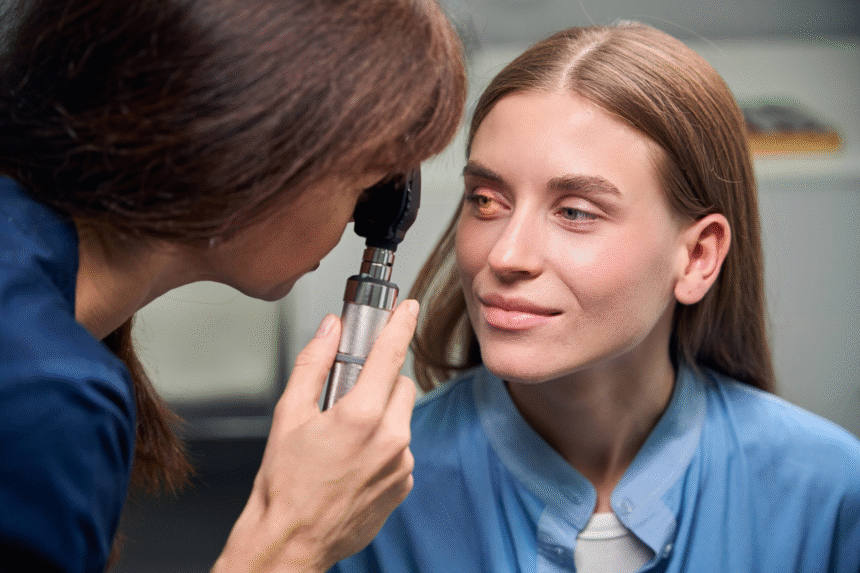
Our eyes are one of the most important organs in the human body. They help us see the world, read, work, drive, and enjoy life’s beautiful moments. But many adults often ignore eye health until problems start showing up, like blurry vision, dryness, or headaches. Taking care of your eyes is not just about wearing glasses—it is about daily habits, proper nutrition, and regular checkups.
- Why Eye Care Is Important for Adults
- 1. Get Regular Eye Checkups
- 2. Follow the 20-20-20 Rule for Screen Use
- 3. Eat Foods Good for Eye Health
- 4. Wear Sunglasses Outdoors
- 5. Reduce Eye Strain from Screens
- 6. Get Enough Sleep
- 7. Avoid Rubbing Your Eyes
- 8. Maintain Proper Hygiene
- 9. Exercise Regularly
- 10. Manage Health Conditions
- 11. Stay Hydrated
- 12. Avoid Smoking
- Final Thoughts
- FAQs about Eye Care Tips for Adults
In this article, we will explore eye care tips for adults in a simple, human-friendly way so you can protect your vision for a long time.
Why Eye Care Is Important for Adults
As we grow older, our eyes naturally start to change. After the age of 20, eye muscles can slowly weaken, and after 40, many people begin to experience vision problems like presbyopia (difficulty seeing close objects). Other issues like dry eyes, cataracts, glaucoma, and digital eye strain are also common in adults.
Good eye care helps you:
- Maintain clear vision
- Prevent eye diseases
- Reduce eye strain and fatigue
- Improve productivity at work
- Enjoy a better quality of life
Ignoring eye health can lead to long-term problems that may become difficult to treat later.
1. Get Regular Eye Checkups
One of the most important eye care tips for adults is scheduling regular eye exams. Even if your vision seems fine, hidden problems can develop without obvious symptoms.
Eye doctors can detect early signs of:
- Glaucoma
- Cataracts
- Diabetes-related eye damage
- Vision changes
Recommended schedule:
- Every 1–2 years for adults under 40
- Every year after age 40
Regular checkups help catch issues early before they become serious.
2. Follow the 20-20-20 Rule for Screen Use
In today’s digital world, most adults spend hours on computers, phones, or tablets. This leads to digital eye strain, also known as computer vision syndrome.
A simple solution is the 20-20-20 rule:
- Every 20 minutes
- Look at something 20 feet away
- For at least 20 seconds
This relaxes your eye muscles and reduces strain.
Also:
- Blink often to avoid dryness
- Adjust screen brightness
- Keep screens at arm’s length distance
3. Eat Foods Good for Eye Health
Nutrition plays a huge role in maintaining healthy eyes. A balanced diet can help prevent many eye problems.
Best foods for eye health include:
- Carrots (rich in vitamin A)
- Spinach and leafy greens (lutein and zeaxanthin)
- Fish like salmon and tuna (omega-3 fatty acids)
- Eggs (support retina health)
- Citrus fruits (vitamin C for eye protection)
- Nuts and seeds (vitamin E)
Drinking enough water is also important to keep your eyes hydrated and prevent dryness.
4. Wear Sunglasses Outdoors
Too much exposure to sunlight can damage your eyes over time. UV rays increase the risk of cataracts and macular degeneration.
When going outside:
- Wear sunglasses that block 100% UV rays
- Choose wide-brim hats for extra protection
- Avoid looking directly at the sun
Even on cloudy days, UV rays can still affect your eyes, so protection is always necessary.
5. Reduce Eye Strain from Screens
Many adults spend long hours working on laptops or phones. This can lead to tired eyes, headaches, and blurred vision.
To reduce strain:
- Use proper lighting while working
- Avoid working in complete darkness
- Keep screens clean and at a comfortable distance
- Adjust font size for easier reading
- Use blue light filters if needed
Small adjustments in your workspace can make a big difference.
6. Get Enough Sleep
Sleep is essential for eye recovery. When you sleep, your eyes rest, repair, and stay lubricated.
Lack of sleep can cause:
- Red eyes
- Dry eyes
- Eye twitching
- Blurred vision
Adults should aim for 7–8 hours of sleep daily. If you feel eye strain, resting your eyes or taking short naps can help.
7. Avoid Rubbing Your Eyes
Rubbing your eyes may feel good when they are tired, but it can cause damage. Your hands carry bacteria that can lead to infections.
Instead:
- Use clean water to rinse eyes if irritated
- Use eye drops if dryness occurs
- Rest your eyes instead of rubbing
Being gentle with your eyes helps prevent irritation and infections.
8. Maintain Proper Hygiene
Eye infections can happen easily if hygiene is ignored. Simple habits can protect your eyes from bacteria and viruses.
Good hygiene practices:
- Wash hands before touching eyes
- Remove makeup before sleeping
- Clean contact lenses properly
- Avoid sharing towels or eye products
Clean habits keep your eyes safe and healthy.
9. Exercise Regularly
Physical activity improves blood circulation, which also benefits eye health. Exercise helps reduce the risk of diseases like diabetes and high blood pressure, which can affect vision.
Helpful activities include:
- Walking
- Yoga
- Cycling
- Light cardio exercises
Even 30 minutes of daily activity can support better eye health.
10. Manage Health Conditions
Certain health problems directly affect your eyes, such as:
- Diabetes
- High blood pressure
- High cholesterol
Managing these conditions helps protect your vision. Follow your doctor’s advice, take medication properly, and maintain a healthy lifestyle.
11. Stay Hydrated
Dry eyes are a common issue among adults, especially those working on screens. Drinking enough water helps keep your eyes moist and comfortable.
Try to drink:
- 7–8 glasses of water daily
- More in hot weather or after exercise
Hydration supports tear production and reduces irritation.
12. Avoid Smoking
Smoking is harmful not only for lungs but also for eyes. It increases the risk of:
- Cataracts
- Optic nerve damage
- Macular degeneration
Quitting smoking improves overall eye health and reduces long-term risks.
Final Thoughts
Eye care is not complicated, but it requires consistency. Small daily habits like eating healthy foods, reducing screen time, wearing sunglasses, and getting regular checkups can protect your vision for life.
Your eyes work hard every day—reading, watching, working, and exploring the world. Taking care of them should be a priority, not an option. Start today with simple changes, and your future self will thank you with clearer, healthier vision.
FAQs about Eye Care Tips for Adults
1. How often should adults get an eye exam?
Most adults should get an eye exam every 1–2 years, and yearly after age 40 or if they have vision problems.
2. Can screen time damage my eyes permanently?
Screen time does not cause permanent damage, but it can lead to eye strain, dryness, and discomfort if not managed properly.
3. What are the best foods for better eyesight?
Carrots, spinach, fish, eggs, citrus fruits, and nuts are excellent for maintaining healthy vision.
4. Why do my eyes feel dry and tired?
Dry eyes are often caused by long screen use, dehydration, lack of sleep, or air conditioning.
5. Can eye problems be prevented?
Yes, many eye problems can be prevented by regular checkups, healthy lifestyle habits, proper diet, and eye protection.
If you want, I can also turn this into SEO blog format, WordPress post, or add keywords and meta description for ranking.