
Introduction
Heart disease is one of the leading causes of death around the world. Many people believe that heart disease only affects older adults, but it can happen to anyone, regardless of age or gender. The good news is that the body often gives warning signs before a serious heart problem occurs.
- Introduction
- 1. Chest Pain or Discomfort
- 2. Shortness of Breath
- 3. Unusual Fatigue
- 4. Pain in Other Parts of the Body
- 5. Irregular Heartbeat
- 6. Swollen Feet and Ankles
- 7. Dizziness or Lightheadedness
- 8. Cold Sweats
- 9. Nausea or Indigestion
- 10. Persistent Cough
- Eat a Heart-Healthy Diet
- Exercise Regularly
- Stop Smoking
- Maintain a Healthy Weight
- Manage Stress
- Control Blood Pressure and Cholesterol
- 1. What is usually the first sign of heart disease?
- 2. Can heart disease develop without chest pain?
- 3. At what age should I start worrying about heart disease?
- 4. Can lifestyle changes prevent heart disease?
- 5. When should I seek emergency medical care?
Learning about the early signs of heart disease can help you seek medical attention before the condition becomes life-threatening. Recognizing these symptoms early and making healthy lifestyle changes can protect your heart and improve your overall health.
In this article, we will explain the most common early symptoms of heart disease, who is at risk, how heart disease is diagnosed, and practical ways to keep your heart healthy.
What Is Heart Disease?
Heart disease is a general term used to describe different conditions that affect the heart and blood vessels. The most common type is coronary artery disease, where the arteries become narrow or blocked due to fatty deposits called plaque.
When blood cannot flow properly to the heart, it may lead to chest pain, heart attacks, heart failure, or other serious complications.
Why Early Detection Matters
Many people ignore the early symptoms because they seem minor or are mistaken for stress, aging, or indigestion. Unfortunately, waiting too long can increase the risk of permanent heart damage.
Early diagnosis allows doctors to:
- Prevent heart attacks
- Reduce complications
- Recommend effective treatments
- Improve quality of life
- Increase life expectancy
The sooner heart disease is found, the easier it is to manage.
Early Signs of Heart Disease
Here are the most common warning signs that should never be ignored.
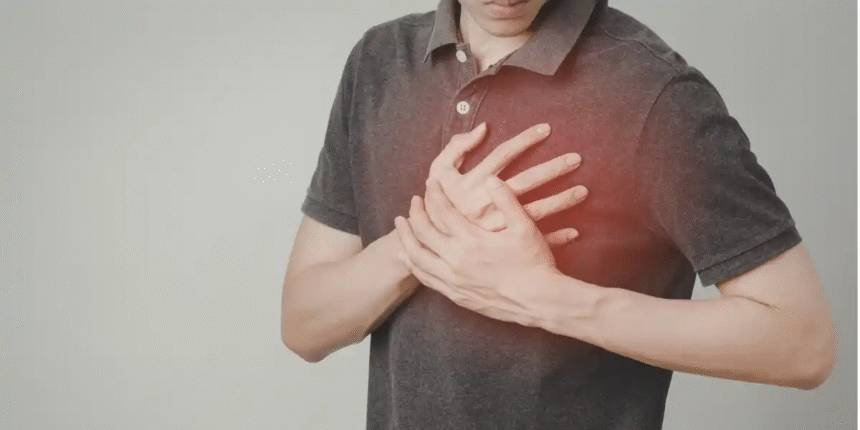
1. Chest Pain or Discomfort
Chest pain is one of the best-known symptoms of heart disease.
You may feel:
- Pressure
- Tightness
- Burning
- Squeezing
- Fullness in the center of the chest
Some people experience pain during physical activity, while others notice it even when resting.
Although chest pain does not always mean heart disease, it should always be checked by a healthcare professional.
2. Shortness of Breath
Difficulty breathing can happen when your heart is not pumping blood effectively.
You may notice shortness of breath while:
- Walking
- Climbing stairs
- Exercising
- Lying down
- Doing everyday activities
If breathing becomes difficult without a clear reason, it could be an early warning sign.
3. Unusual Fatigue
Feeling tired after a busy day is normal. However, extreme or ongoing fatigue without explanation can indicate heart disease.
Many people—especially women—experience severe tiredness weeks or even months before a heart attack.
If simple daily activities suddenly leave you exhausted, speak with your doctor.
4. Pain in Other Parts of the Body
Heart-related pain does not always stay in the chest.
It may spread to:
- Left arm
- Right arm
- Neck
- Jaw
- Back
- Shoulders
Some people only experience arm or jaw pain without any chest discomfort.
5. Irregular Heartbeat
Everyone occasionally feels their heart beat faster after exercise or stress.
However, frequent symptoms such as:
- Racing heartbeat
- Fluttering
- Skipped beats
- Palpitations
may indicate an abnormal heart rhythm that requires medical evaluation.
6. Swollen Feet and Ankles
When the heart cannot pump blood properly, fluid can build up in the body.
This often causes swelling in:
- Feet
- Ankles
- Legs
Persistent swelling should not be ignored, especially if it is combined with shortness of breath.
7. Dizziness or Lightheadedness
Poor blood flow can reduce oxygen delivery to the brain.
You may experience:
- Feeling faint
- Sudden dizziness
- Loss of balance
- Passing out
Frequent episodes should always be discussed with your healthcare provider.
8. Cold Sweats
Breaking out into a cold sweat without physical activity or hot weather may be a sign of reduced blood flow to the heart.
If cold sweating happens together with chest pain or shortness of breath, seek emergency medical care immediately.
9. Nausea or Indigestion
Some people mistake heart problems for stomach issues.
Symptoms may include:
- Upset stomach
- Nausea
- Vomiting
- Heartburn
- Indigestion
These symptoms are more common in women during heart attacks.
10. Persistent Cough
A cough that will not go away, especially if it produces pink or white mucus, may be linked to heart failure.
Although coughing usually has other causes, persistent symptoms deserve medical attention.
Risk Factors for Heart Disease
Several factors increase your chances of developing heart disease.
These include:
- High blood pressure
- High cholesterol
- Diabetes
- Smoking
- Obesity
- Lack of exercise
- Poor diet
- Excessive alcohol use
- Chronic stress
- Family history of heart disease
- Older age
The more risk factors you have, the greater your chance of developing heart problems.
When Should You See a Doctor?
You should schedule a medical appointment if you notice:
- Chest discomfort
- Ongoing fatigue
- Shortness of breath
- Frequent dizziness
- Heart palpitations
- Swollen legs
- Pain spreading to the arms or jaw
Never ignore these symptoms, even if they come and go.
Symptoms That Need Emergency Care
Call emergency services immediately if you experience:
- Severe chest pain
- Trouble breathing
- Sudden fainting
- Pain spreading to your arms, neck, or jaw
- Cold sweat with chest pressure
Quick treatment can save your life.
How Doctors Diagnose Heart Disease
Doctors use several tests to check heart health.
Common tests include:
- Blood pressure measurement
- Blood tests
- Electrocardiogram (ECG)
- Echocardiogram
- Stress test
- Chest X-ray
- CT scan
- Coronary angiography
The right test depends on your symptoms and medical history.
How to Reduce Your Risk
Protecting your heart starts with healthy daily habits.
Eat a Heart-Healthy Diet
Choose foods like:
- Fruits
- Vegetables
- Whole grains
- Fish
- Nuts
- Beans
- Olive oil
Reduce:
- Salt
- Sugar
- Fried foods
- Processed snacks
- Sugary drinks
Exercise Regularly
Aim for at least 30 minutes of moderate exercise on most days.
Good activities include:
- Walking
- Cycling
- Swimming
- Jogging
- Dancing
Even small amounts of daily movement benefit your heart.
Stop Smoking
Smoking damages blood vessels and greatly increases your risk of heart disease.
Quitting smoking is one of the best things you can do for your heart.
Maintain a Healthy Weight
Being overweight forces your heart to work harder.
Losing even a small amount of weight can improve blood pressure and cholesterol levels.
Manage Stress
Long-term stress may contribute to heart disease.
Healthy stress-relief methods include:
- Meditation
- Deep breathing
- Reading
- Yoga
- Spending time with loved ones
- Getting enough sleep
Control Blood Pressure and Cholesterol
Regular health checkups help detect problems before they become serious.
Take prescribed medications exactly as directed by your healthcare provider.
Can Young Adults Get Heart Disease?
Yes.
Although older adults are at greater risk, younger people can also develop heart disease.
Common reasons include:
- Smoking
- Obesity
- Diabetes
- High cholesterol
- High blood pressure
- Poor eating habits
- Family history
Healthy habits should begin early in life.
Living with Heart Disease
A heart disease diagnosis does not mean life is over.
Many people continue to live active and healthy lives by:
- Taking medications regularly
- Eating nutritious meals
- Staying physically active
- Attending medical checkups
- Managing stress
- Following their doctor’s advice
Consistency makes a big difference.
Conclusion
The early signs of heart disease are often easy to overlook, but paying attention to your body can make a life-saving difference. Symptoms such as chest pain, shortness of breath, unusual fatigue, dizziness, swelling, and irregular heartbeat should never be ignored.
The best way to protect your heart is through a healthy lifestyle, regular exercise, a balanced diet, avoiding smoking, and routine medical checkups. If you notice any warning signs, seek medical advice as soon as possible. Early diagnosis and treatment can prevent serious complications and help you enjoy a longer, healthier life.
Frequently Asked Questions (FAQs)
1. What is usually the first sign of heart disease?
Chest discomfort, shortness of breath, and unusual fatigue are among the earliest signs. However, symptoms vary from person to person.
2. Can heart disease develop without chest pain?
Yes. Some people experience fatigue, dizziness, nausea, jaw pain, or shortness of breath without any chest pain, especially women and older adults.
3. At what age should I start worrying about heart disease?
Heart disease can develop at any age, especially if you have risk factors like high blood pressure, smoking, diabetes, obesity, or a family history of heart disease.
4. Can lifestyle changes prevent heart disease?
Yes. Eating a balanced diet, exercising regularly, maintaining a healthy weight, avoiding tobacco, limiting alcohol, and managing stress can greatly reduce your risk.
5. When should I seek emergency medical care?
Call emergency services immediately if you have severe chest pain, difficulty breathing, pain spreading to your arm, neck, jaw, or back, sudden fainting, or cold sweats with chest pressure. Prompt treatment can save your life.