

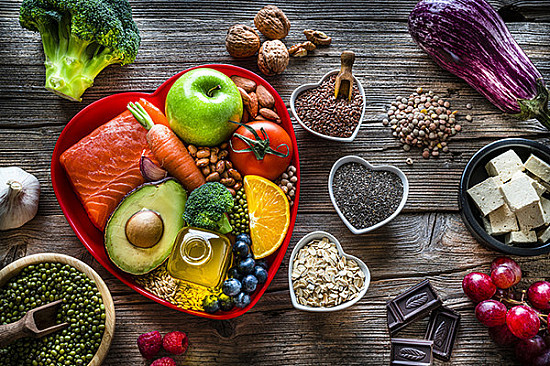
Introduction
Your heart works every second of every day to keep your body alive. It pumps blood, carries oxygen, and delivers nutrients to every organ. Because the heart is such an important part of your body, taking care of it should be one of your top priorities. One of the easiest and most effective ways to protect your heart is by eating healthy foods.
Many people believe that heart disease only affects older adults, but the truth is that healthy eating habits should start at any age. A balanced diet can help lower cholesterol, control blood pressure, reduce inflammation, maintain a healthy weight, and decrease the risk of heart disease.
In this guide, you’ll learn about the best foods for heart health, why they are beneficial, and simple ways to include them in your daily meals. Whether you’re trying to prevent heart problems or simply want to live a healthier lifestyle, these foods can make a real difference.
Why Heart-Healthy Foods Matter
The food you eat directly affects your heart and blood vessels. Diets high in saturated fat, added sugar, and processed foods can increase the risk of heart disease. On the other hand, foods rich in vitamins, minerals, fiber, antioxidants, and healthy fats help your heart work more efficiently.
A heart-friendly diet can:
- Lower bad (LDL) cholesterol
- Increase good (HDL) cholesterol
- Reduce high blood pressure
- Improve blood circulation
- Help maintain a healthy weight
- Reduce inflammation
- Lower the risk of stroke and heart attack
Small improvements in your daily meals can lead to long-term health benefits.
1. Fatty Fish
Fatty fish are among the healthiest foods you can eat for your heart. Fish like salmon, sardines, trout, tuna, and mackerel are rich in omega-3 fatty acids.
Omega-3 fats help reduce inflammation, lower triglycerides, improve blood vessel function, and reduce the risk of irregular heartbeats.
Best Ways to Eat
- Grilled salmon
- Baked trout
- Tuna salad
- Sardines on whole-grain toast
Try to eat fatty fish at least two times each week.
2. Oats
Oats are an excellent source of soluble fiber, especially beta-glucan. This special type of fiber helps reduce bad cholesterol by preventing your body from absorbing it.
Eating oatmeal regularly can also help control blood sugar levels and keep you feeling full longer.
Healthy Ideas
- Oatmeal with berries
- Overnight oats
- Homemade oat smoothies
- Oat pancakes
Avoid flavored instant oatmeal that contains added sugar.
3. Leafy Green Vegetables
Spinach, kale, lettuce, Swiss chard, and collard greens are packed with vitamins, minerals, and antioxidants.
These vegetables contain nitrates that help relax blood vessels, improve circulation, and lower blood pressure.
They’re also rich in vitamin K, which supports healthy arteries.
Easy Ways to Eat More Greens
- Add spinach to smoothies
- Mix kale into salads
- Include greens in soups
- Stir-fry vegetables with olive oil
4. Berries
Blueberries, strawberries, raspberries, and blackberries are full of antioxidants that protect your heart from damage.
They contain anthocyanins, natural compounds that help reduce inflammation and oxidative stress.
Regular berry consumption may help lower blood pressure and improve cholesterol levels.
Serving Ideas
- Mix into yogurt
- Add to oatmeal
- Blend into smoothies
- Eat as a healthy snack
Fresh or frozen berries are both nutritious.
5. Nuts
Almonds, walnuts, pistachios, pecans, and cashews provide healthy fats, protein, fiber, magnesium, and vitamin E.
Walnuts are especially rich in omega-3 fatty acids.
Eating a small handful of nuts daily may help reduce cholesterol and support healthy blood vessels.
Choose unsalted varieties whenever possible.
6. Olive Oil
Extra virgin olive oil is one of the healthiest cooking oils available.
It contains healthy monounsaturated fats and powerful antioxidants that reduce inflammation and protect the heart.
Replace butter or vegetable shortening with olive oil whenever possible.
Great uses include:
- Salad dressing
- Roasted vegetables
- Grilled chicken
- Whole-grain bread dip
7. Avocados
Avocados are loaded with heart-friendly monounsaturated fats and potassium.
Potassium helps balance sodium levels, which supports healthy blood pressure.
Adding avocado to your meals can improve cholesterol levels while making meals more satisfying.
Try avocado in:
- Salads
- Sandwiches
- Smoothies
- Whole-grain toast
8. Beans and Lentils
Beans, chickpeas, peas, and lentils are rich in plant protein and fiber.
Unlike red meat, they contain little saturated fat, making them an excellent protein replacement.
Benefits include:
- Lower cholesterol
- Better blood sugar control
- Improved digestion
- Reduced heart disease risk
Add them to soups, curries, salads, or rice dishes.
9. Whole Grains
Whole grains keep the entire grain intact, providing more nutrients and fiber than refined grains.
Healthy choices include:
- Brown rice
- Whole wheat bread
- Quinoa
- Barley
- Whole-grain pasta
Whole grains help stabilize blood sugar and lower cholesterol.
10. Tomatoes
Tomatoes are rich in lycopene, an antioxidant linked to better heart health.
They also provide vitamin C and potassium.
Cooking tomatoes slightly can actually increase the amount of lycopene your body absorbs.
Foods to Limit
While adding healthy foods is important, limiting unhealthy foods matters too.
Reduce your intake of:
- Sugary drinks
- Candy
- Fried foods
- Fast food
- Processed meats
- White bread
- Chips
- Pastries
- Excess salt
- Foods high in trans fats
Making healthier swaps can significantly improve heart health over time.
Tips for a Heart-Healthy Diet
Healthy eating doesn’t have to be complicated.
Simple habits include:
- Eat more fruits and vegetables.
- Choose whole grains instead of refined grains.
- Cook with olive oil.
- Eat fish twice a week.
- Snack on nuts instead of chips.
- Drink plenty of water.
- Limit sugary drinks.
- Reduce processed foods.
- Control portion sizes.
- Stay physically active every day.
Small daily choices add up to lasting health benefits.
Conclusion
Taking care of your heart begins with the foods you choose every day. Nutritious options like fatty fish, oats, berries, leafy greens, beans, nuts, olive oil, avocados, whole grains, and tomatoes provide essential nutrients that help protect your heart and reduce the risk of disease.
Remember, there is no single “superfood” for heart health. The best results come from eating a balanced diet filled with a variety of wholesome foods while limiting processed and sugary items. Combined with regular exercise, good sleep, and stress management, healthy eating can keep your heart strong for years to come.
Frequently Asked Questions (FAQs)
1. What is the best food for heart health?
Fatty fish such as salmon is one of the best foods because it contains omega-3 fatty acids that support heart function and reduce inflammation.
2. Which fruits are best for the heart?
Berries, apples, oranges, pomegranates, and avocados are excellent choices because they contain fiber, antioxidants, and vitamins that support heart health.
3. Can eating healthy lower cholesterol?
Yes. Foods rich in soluble fiber, healthy fats, and plant-based proteins can help reduce LDL (bad) cholesterol while improving overall heart health.
4. How often should I eat heart-healthy foods?
Heart-friendly foods should be part of your daily diet. Aim to include fruits, vegetables, whole grains, and healthy fats every day, and eat fatty fish at least twice a week.
5. Is coffee good or bad for heart health?
Moderate coffee consumption is generally safe for most healthy adults. However, avoid adding too much sugar or high-fat creamers, and consult your doctor if you have specific heart conditions.