
Introduction
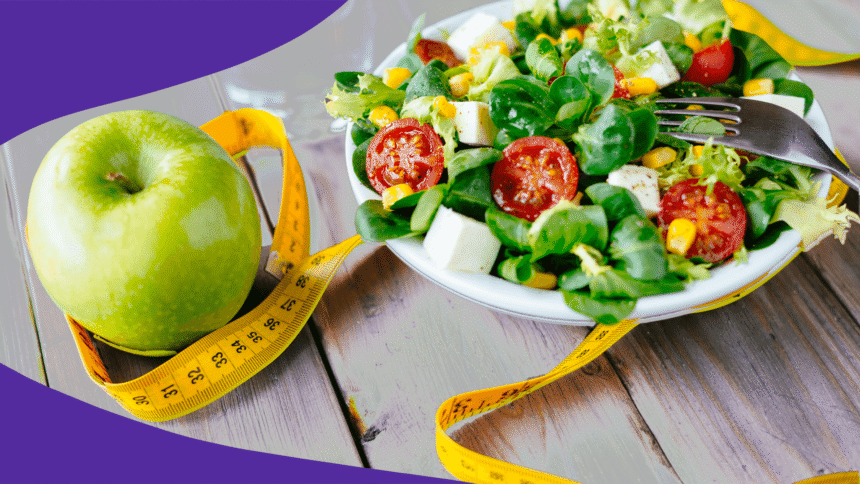
Many people believe that losing weight means skipping meals, eating less, or following strict diets. In reality, healthy weight loss starts with eating a balanced diet. A balanced diet gives your body the nutrients it needs while helping you burn fat, maintain energy, and stay healthy.
- Introduction
- 1. Protein
- 2. Healthy Carbohydrates
- 3. Healthy Fats
- 4. Fruits and Vegetables
- 5. Water
- Breakfast
- Mid-Morning Snack
- Lunch
- Afternoon Snack
- Dinner
- Evening Snack (Optional)
- Skipping Meals
- Eating Too Fast
- Drinking Calories
- Following Extreme Diets
- Ignoring Exercise
- 1. What is the best balanced diet for weight loss?
- 2. Can I eat carbohydrates and still lose weight?
- 3. How much water should I drink while trying to lose weight?
- 4. How quickly can I lose weight with a balanced diet?
- 5. Is exercise necessary for weight loss?
Crash diets may help you lose weight quickly, but the results usually don’t last. They can also make you feel tired, hungry, and weak. A balanced diet is different because it helps you lose weight slowly and safely while improving your overall health.
In this article, you’ll learn what a balanced diet is, why it’s important for weight loss, which foods to eat, which foods to avoid, and simple tips to build healthy eating habits that last.
What Is a Balanced Diet?
A balanced diet means eating different types of foods in the right amounts. Your body needs carbohydrates, proteins, healthy fats, vitamins, minerals, fiber, and water every day.
Instead of focusing on cutting out one type of food, a balanced diet includes a healthy mix of nutrients that work together to support your body.
A balanced meal usually contains:
- Lean protein
- Whole grains
- Fresh vegetables
- Fruits
- Healthy fats
- Plenty of water
This combination keeps you full longer and helps control hunger naturally.
Why Is a Balanced Diet Important for Weight Loss?
Weight loss happens when you burn more calories than you consume. However, the quality of your food matters just as much as the number of calories.
A balanced diet helps by:
- Reducing unhealthy cravings
- Keeping blood sugar levels stable
- Improving digestion
- Supporting muscle growth
- Boosting metabolism
- Providing long-lasting energy
- Helping control portion sizes
Unlike unhealthy diets, a balanced eating plan is easier to follow for months or even years.
Nutrients Your Body Needs
1. Protein
Protein is one of the most important nutrients for weight loss.
It helps:
- Build muscles
- Repair body tissues
- Keep you full longer
- Reduce unnecessary snacking
Healthy protein sources include:
- Chicken breast
- Fish
- Eggs
- Beans
- Lentils
- Greek yogurt
- Cottage cheese
- Tofu
Aim to include protein in every meal.
2. Healthy Carbohydrates
Many people avoid carbohydrates when trying to lose weight, but your body actually needs them for energy.
Choose complex carbohydrates instead of refined ones.
Healthy choices include:
- Brown rice
- Oats
- Whole wheat bread
- Sweet potatoes
- Quinoa
- Whole grain pasta
Avoid eating large amounts of white bread, sugary cereals, and pastries.
3. Healthy Fats
Healthy fats help your brain, heart, and hormones function properly.
Good sources include:
- Avocados
- Olive oil
- Almonds
- Walnuts
- Chia seeds
- Flaxseeds
- Peanut butter (in moderation)
Healthy fats also make meals more satisfying.
4. Fruits and Vegetables
Vegetables and fruits are packed with:
- Vitamins
- Minerals
- Fiber
- Antioxidants
Fiber improves digestion and keeps you feeling full.
Try to fill half of your plate with colorful vegetables.
Best vegetables include:
- Broccoli
- Spinach
- Carrots
- Cucumbers
- Bell peppers
- Tomatoes
- Cauliflower
Healthy fruits include:
- Apples
- Oranges
- Berries
- Pears
- Kiwi
- Watermelon
5. Water
Water is often forgotten in weight loss plans.
Drinking enough water helps:
- Improve metabolism
- Reduce hunger
- Flush toxins
- Improve digestion
- Prevent overeating
Most adults should drink around 8–10 glasses of water daily, though individual needs vary.
Foods That Support Weight Loss
If your goal is healthy weight loss, include these foods regularly:
- Oatmeal
- Eggs
- Greek yogurt
- Brown rice
- Chicken breast
- Fish
- Beans
- Lentils
- Fresh vegetables
- Fruits
- Nuts
- Seeds
- Low-fat dairy
- Whole grains
- Olive oil
These foods provide nutrients while helping control hunger.
Foods to Limit
You don’t have to completely avoid your favorite treats, but limiting these foods can make weight loss easier:
- Sugary drinks
- Candy
- Cakes
- Cookies
- Fast food
- Fried foods
- Chips
- Ice cream
- Processed meats
- White bread
- Sugary cereals
- Energy drinks
Eating these foods occasionally is fine, but they should not become daily habits.
Portion Control Matters
Even healthy foods can lead to weight gain if eaten in very large amounts.
Simple portion control tips include:
- Use smaller plates.
- Eat slowly.
- Stop eating when comfortably full.
- Avoid eating directly from large packages.
- Measure servings when possible.
Listening to your body’s hunger and fullness signals can prevent overeating.
A Sample Balanced Diet Plan for Weight Loss
Here is a simple daily meal plan.
Breakfast
- Oatmeal with berries
- One boiled egg
- Green tea or water
Mid-Morning Snack
- An apple
- A handful of almonds
Lunch
- Grilled chicken breast
- Brown rice
- Mixed vegetables
- Salad
Afternoon Snack
- Greek yogurt
- Fresh fruit
Dinner
- Grilled fish
- Steamed broccoli
- Sweet potato
Evening Snack (Optional)
- A small banana
- Herbal tea
This meal plan provides protein, fiber, healthy fats, and carbohydrates without excessive calories.
Healthy Eating Habits That Help
Small daily habits often make the biggest difference.
Try these simple tips:
- Never skip breakfast.
- Eat meals at regular times.
- Cook more meals at home.
- Plan your weekly meals.
- Read food labels.
- Avoid emotional eating.
- Sleep 7–9 hours each night.
- Stay physically active.
- Drink water before meals.
- Limit sugary drinks.
Consistency is more important than perfection.
Common Weight Loss Mistakes
Many people unknowingly make mistakes that slow their progress.
Skipping Meals
Skipping meals often leads to overeating later in the day.
Eating Too Fast
Fast eating makes it harder for your brain to recognize fullness.
Drinking Calories
Soft drinks, sweetened coffee, and juices can add hundreds of extra calories.
Following Extreme Diets
Very restrictive diets are difficult to maintain and may lead to nutrient deficiencies.
Ignoring Exercise
Healthy eating works best when combined with regular physical activity like walking, cycling, or strength training.
Lifestyle Changes for Better Results
Weight loss isn’t just about food.
Healthy habits include:
- Walking daily
- Strength training two or three times a week
- Managing stress
- Getting enough sleep
- Staying hydrated
- Preparing healthy meals in advance
These habits support both weight loss and long-term health.
Benefits Beyond Weight Loss
A balanced diet offers many health benefits beyond reducing body weight.
It can help:
- Improve heart health
- Increase energy levels
- Strengthen immunity
- Improve digestion
- Support healthy skin
- Reduce the risk of diabetes
- Lower blood pressure
- Improve mood
- Enhance concentration
- Promote healthy aging
Healthy eating is an investment in your future well-being.
Conclusion
A balanced diet is one of the safest and most effective ways to lose weight naturally. Instead of following temporary diets or cutting out entire food groups, focus on eating nutritious foods in the right portions. Include lean protein, whole grains, fruits, vegetables, healthy fats, and plenty of water in your daily routine.
Remember that successful weight loss takes time. Small, consistent changes are much more effective than extreme diets. By building healthy eating habits and staying active, you can achieve your weight-loss goals while improving your overall health and quality of life.
Frequently Asked Questions (FAQs)
1. What is the best balanced diet for weight loss?
A healthy weight-loss diet includes lean protein, whole grains, fruits, vegetables, healthy fats, and enough water while keeping portion sizes under control.
2. Can I eat carbohydrates and still lose weight?
Yes. Choosing complex carbohydrates like oats, brown rice, and whole grains can provide energy and support healthy weight loss.
3. How much water should I drink while trying to lose weight?
Most adults benefit from around 8–10 glasses of water per day, although your needs may vary based on activity level, climate, and health.
4. How quickly can I lose weight with a balanced diet?
A safe and sustainable rate of weight loss is about 0.5 to 1 kilogram (1–2 pounds) per week when combined with healthy eating and regular physical activity.
5. Is exercise necessary for weight loss?
Exercise is not absolutely required to lose weight, but combining regular physical activity with a balanced diet makes weight loss easier and helps improve overall health.