
Anxiety is something many people experience in daily life. It can appear as constant worrying, a fast heartbeat, restlessness, trouble sleeping, or even a feeling of fear without a clear reason. While anxiety is a normal response to stress, it becomes a problem when it starts affecting your work, relationships, health, or peace of mind.
- Understanding Anxiety in Simple Words
- 1. Practice Deep Breathing
- 2. Exercise Regularly
- 3. Improve Your Sleep Routine
- 4. Eat a Balanced and Healthy Diet
- 5. Practice Mindfulness and Meditation
- 6. Stay Connected with People
- 7. Limit Negative Thinking
- 8. Spend Time in Nature
- 9. Reduce Screen Time
- 10. Try Relaxation Techniques
- Final Thoughts
- FAQs
The good news is that there are many natural ways to reduce anxiety without relying only on medication. These methods are simple, practical, and can be added into your daily routine. In this article, we will explain how to reduce anxiety naturally using easy lifestyle changes, mental habits, and body techniques that really help calm the mind.
Understanding Anxiety in Simple Words
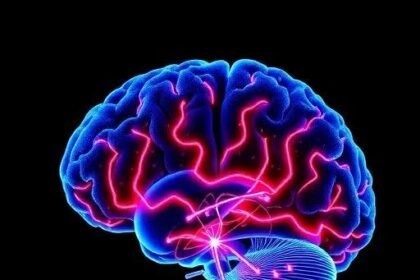
Before learning how to reduce anxiety, it is important to understand what it is. Anxiety is your brain’s way of reacting to stress. It is like an alarm system that warns you of danger. But sometimes, this alarm becomes too sensitive and starts going off even when there is no real danger.
For example, you may feel anxious before an exam, job interview, or important meeting. This is normal. But when anxiety becomes constant—even during normal situations—it can affect your daily life.
1. Practice Deep Breathing
One of the fastest natural ways to calm anxiety is deep breathing. When you are anxious, your breathing becomes fast and shallow. This sends signals to your brain that something is wrong. Deep breathing reverses this reaction.
Try this simple method:
- Inhale slowly through your nose for 4 seconds
- Hold your breath for 4 seconds
- Exhale slowly through your mouth for 6–8 seconds
Repeat this for 5–10 minutes.
This technique helps slow your heart rate and relax your nervous system. You can do it anywhere—at home, at work, or even before sleeping.
2. Exercise Regularly
Physical activity is one of the most powerful natural anxiety reducers. When you exercise, your body releases “feel-good” chemicals called endorphins. These chemicals improve mood and reduce stress.
You don’t need intense workouts. Simple activities work too:
- Walking for 20–30 minutes daily
- Jogging or cycling
- Yoga or stretching
- Dancing at home
Regular movement also helps improve sleep, which is very important for controlling anxiety.
3. Improve Your Sleep Routine
Poor sleep and anxiety often go hand in hand. If you don’t sleep well, your brain becomes more sensitive to stress.
To improve sleep naturally:
- Go to bed at the same time every night
- Avoid screens 1 hour before sleeping
- Drink less caffeine in the evening
- Keep your room dark and quiet
- Try reading or soft music before bed
A calm mind at night leads to a calmer mind during the day.
4. Eat a Balanced and Healthy Diet
What you eat can affect your mood more than you think. Certain foods help the brain stay calm, while others increase anxiety.
Foods that help reduce anxiety:
- Fresh fruits and vegetables
- Nuts like almonds and walnuts
- Whole grains
- Herbal teas like chamomile
- Foods rich in omega-3 (like fish)
Foods to limit:
- Too much caffeine (coffee, energy drinks)
- Sugary snacks
- Processed fast food
A healthy diet supports brain health and keeps emotions stable.
5. Practice Mindfulness and Meditation
Mindfulness means focusing on the present moment instead of worrying about the past or future. Anxiety often grows when we overthink. Meditation helps quiet the mind.
A simple way to start:
- Sit quietly for 5–10 minutes
- Close your eyes
- Focus on your breathing
- If thoughts come, gently bring attention back to breathing
Even a few minutes daily can reduce stress and improve emotional control.
6. Stay Connected with People
Talking to someone you trust can reduce anxiety quickly. Humans are social beings, and isolation often increases stress.
You can:
- Talk to a friend or family member
- Share your thoughts honestly
- Spend time with supportive people
- Join social or hobby groups
Sometimes, just expressing your feelings makes your mind feel lighter.
7. Limit Negative Thinking
Anxiety often grows because of negative thinking patterns. You may start imagining worst-case scenarios even when they are unlikely.
To control this:
- Ask yourself: “Is this thought really true?”
- Replace negative thoughts with positive or realistic ones
- Focus on solutions instead of problems
Training your mind takes time, but it becomes easier with practice.
8. Spend Time in Nature
Nature has a calming effect on the mind. Fresh air, sunlight, and green spaces help reduce stress hormones.
You can:
- Walk in a park
- Sit in your garden
- Spend time near water or trees
Even 15–20 minutes outdoors can improve mood and reduce anxiety levels.
9. Reduce Screen Time
Too much screen time, especially social media, can increase anxiety. Constant news, comparisons, and notifications overload the brain.
Try to:
- Limit social media use
- Take short breaks from your phone
- Avoid scrolling before bed
This helps your mind relax and reduces mental pressure.
10. Try Relaxation Techniques
Besides breathing and meditation, there are other relaxation methods:
- Listening to calm music
- Taking a warm bath
- Gentle stretching
- Writing your thoughts in a journal
These activities signal your body to slow down and relax.
Final Thoughts
Learning how to reduce anxiety naturally is about building healthy habits, not quick fixes. You don’t need to change everything at once. Start with small steps like deep breathing, better sleep, or short walks. Over time, these habits can make a big difference in how you feel.
Remember, anxiety is manageable. With patience, consistency, and self-care, you can train your mind and body to stay calmer and more balanced in daily life.
FAQs
1. Can anxiety be reduced without medication?
Yes, many people reduce anxiety naturally through lifestyle changes like exercise, meditation, healthy eating, and good sleep habits.
2. How fast does deep breathing work for anxiety?
Deep breathing can start calming the body within a few minutes if done correctly and consistently.
3. Does exercise really help with anxiety?
Yes, exercise releases endorphins, which are natural chemicals that improve mood and reduce stress.
4. What foods increase anxiety?
Caffeine, sugary foods, and highly processed foods can increase anxiety in some people.
5. Is anxiety permanent?
No, anxiety is not permanent. With proper care, habits, and sometimes professional help, it can be controlled and significantly reduced.