

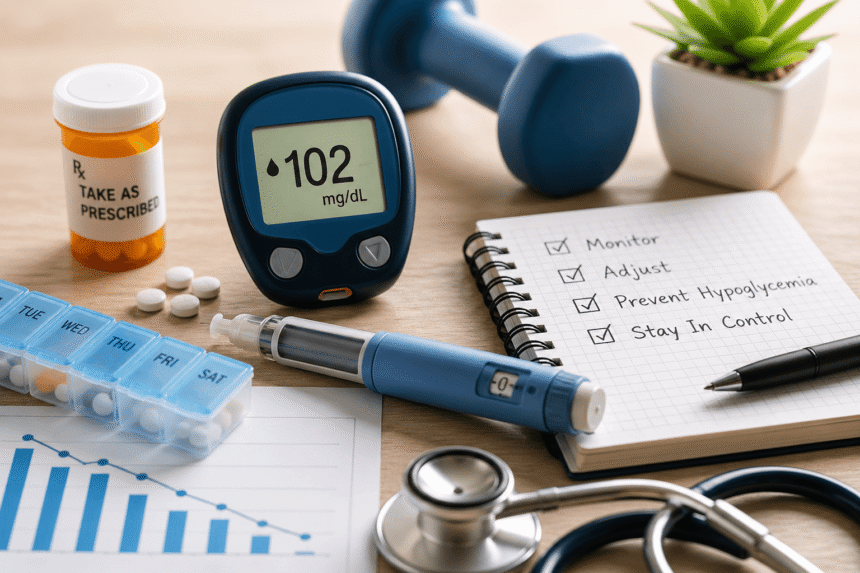
Introduction
Living with diabetes can feel overwhelming at first, but the good news is that it is a condition you can successfully manage with the right treatment plan. A diabetes management treatment plan is a personalized approach that helps control blood sugar levels, reduce the risk of complications, and improve overall health. Whether you have Type 1 diabetes, Type 2 diabetes, or prediabetes, following a structured plan can make a significant difference in your daily life.
Diabetes affects millions of people worldwide. It occurs when the body cannot properly use or produce insulin, causing blood sugar levels to become too high. Without proper management, diabetes can lead to serious health problems, including heart disease, kidney damage, nerve damage, and vision loss.
The good news is that many people with diabetes live long, active, and healthy lives. By making healthy lifestyle choices, taking medications as prescribed, monitoring blood sugar regularly, and working closely with healthcare professionals, you can keep diabetes under control.
In this guide, you’ll learn everything you need to know about creating an effective diabetes management treatment plan.
What Is a Diabetes Management Treatment Plan?
A diabetes management treatment plan is a step-by-step strategy designed to help control blood glucose levels and prevent diabetes-related complications. Every person’s treatment plan is different because age, lifestyle, medical history, and the type of diabetes all play a role.
A complete treatment plan usually includes:
- Healthy eating habits
- Regular physical activity
- Blood sugar monitoring
- Diabetes medications or insulin
- Weight management
- Stress management
- Regular medical checkups
- Foot and eye care
Following these steps consistently helps maintain healthy blood sugar levels and supports long-term health.
Why Is Diabetes Management Important?
Proper diabetes management is essential because high blood sugar can damage many parts of the body over time. Uncontrolled diabetes increases the risk of serious complications, including:
- Heart disease
- Stroke
- Kidney disease
- Vision problems
- Nerve damage
- Foot ulcers
- Slow wound healing
Keeping blood sugar within the recommended range lowers these risks and helps you feel healthier every day.
Understanding Blood Sugar Levels
Blood sugar, also called blood glucose, is the body’s main source of energy. After eating, carbohydrates are broken down into glucose, which enters the bloodstream. Insulin helps move glucose from the blood into the body’s cells.
When insulin doesn’t work properly, blood sugar builds up in the bloodstream instead of being used for energy.
Healthy blood sugar control is the foundation of every diabetes treatment plan.
Healthy Eating for Diabetes Management
A balanced diet is one of the most effective ways to manage diabetes naturally. You don’t need to completely avoid your favorite foods, but making healthier choices can greatly improve blood sugar control.
Choose High-Fiber Foods
Fiber slows the absorption of sugar into the bloodstream, helping prevent sudden spikes.
Good sources include:
- Vegetables
- Fruits
- Whole grains
- Beans
- Lentils
- Oats
Eat Lean Protein
Protein helps you stay full and supports muscle health.
Healthy protein choices include:
- Chicken
- Fish
- Eggs
- Turkey
- Tofu
- Low-fat dairy
- Beans
Select Healthy Carbohydrates
Not all carbohydrates are unhealthy.
Choose:
- Brown rice
- Whole wheat bread
- Quinoa
- Sweet potatoes
- Oatmeal
Limit:
- White bread
- Sugary drinks
- Candy
- Cakes
- Pastries
Healthy Fats Matter
Healthy fats support heart health, which is especially important for people with diabetes.
Include:
- Avocados
- Olive oil
- Almonds
- Walnuts
- Chia seeds
- Flaxseeds
Portion Control
Eating healthy foods is important, but eating the right amount matters just as much.
Simple portion control tips include:
- Use smaller plates.
- Fill half your plate with vegetables.
- Eat slowly.
- Avoid overeating.
- Limit sugary snacks.
Managing portion sizes helps keep blood sugar more stable throughout the day.
Exercise and Physical Activity
Exercise is one of the best natural treatments for diabetes because it helps your body use insulin more effectively.
Benefits include:
- Lower blood sugar
- Better heart health
- Weight loss
- Increased energy
- Improved mood
- Better sleep
Aim for at least 150 minutes of moderate exercise each week.
Good activities include:
- Walking
- Cycling
- Swimming
- Dancing
- Yoga
- Strength training
Even a 30-minute walk most days of the week can make a noticeable difference.