
Introduction
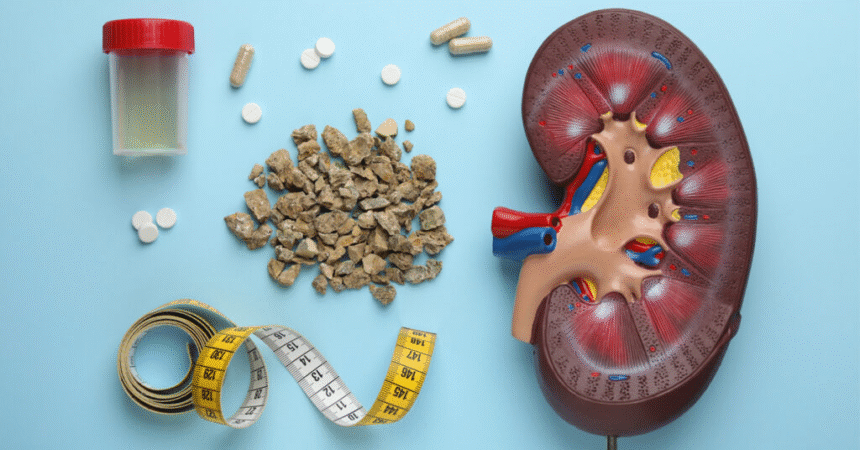
Kidney stones are one of the most painful health problems that many people experience. They are small, hard deposits made from minerals and salts that form inside the kidneys. Some kidney stones are as small as a grain of sand and pass naturally, while others become large enough to block the urinary tract and cause severe pain.
Finding the best treatment for kidney stones depends on several factors, including the size of the stone, its location, and your overall health. While small stones often pass without surgery, larger stones may require medical procedures. Understanding your treatment options can help you make informed decisions and recover faster.
In this article, we will explain the best treatment for kidney stones, discuss symptoms, causes, prevention tips, and answer common questions in simple and easy-to-understand language.
What Are Kidney Stones?
Kidney stones are hard crystal-like deposits that develop when certain minerals and salts in the urine become concentrated. These crystals stick together and gradually grow into stones.
The kidneys normally filter waste and extra water from the blood. However, when there is not enough water in the body or when mineral levels become too high, stones can form.
Kidney stones can affect anyone, but they are more common in adults between the ages of 30 and 60.
Common Symptoms of Kidney Stones
Symptoms usually appear when the stone starts moving through the urinary tract.
Common signs include:
- Sharp pain in the back or side
- Pain that spreads to the lower abdomen
- Pain during urination
- Blood in the urine
- Cloudy or foul-smelling urine
- Frequent urge to urinate
- Nausea and vomiting
- Fever and chills if an infection develops
Some very small stones may not cause any symptoms until they begin moving.
What Causes Kidney Stones?
Several factors increase the risk of developing kidney stones.
Some common causes include:
- Drinking too little water
- Eating foods high in salt
- High intake of animal protein
- Family history of kidney stones
- Obesity
- Certain medications
- Digestive disorders
- High calcium or uric acid levels
Understanding the cause helps doctors recommend the best treatment for kidney stones and reduce the chance of future stones.
Best Treatment for Kidney Stones
The best treatment for kidney stones depends mainly on the size and type of stone.
1. Drinking Plenty of Water
For small kidney stones, drinking lots of water is usually the first treatment.
Water increases urine production, helping the stone move through the urinary tract naturally.
Doctors often recommend drinking enough fluids to produce clear or light-yellow urine throughout the day.
2. Pain Relief Medications
Passing a kidney stone can be painful.
Doctors may prescribe:
- Ibuprofen
- Naproxen
- Acetaminophen
- Stronger pain medicines if necessary
These medications help reduce discomfort while the stone passes naturally.
3. Medications That Help Pass Stones
Certain medicines relax the muscles in the ureter, making it easier for the stone to pass.
These medications may:
- Reduce pain
- Speed up stone passage
- Lower the risk of complications
They are commonly used for medium-sized stones.
4. Shock Wave Lithotripsy (SWL)
Shock Wave Lithotripsy is one of the most common treatments for kidney stones.
This procedure uses sound waves to break large stones into tiny pieces.
After treatment, the small fragments pass naturally through urine over several days or weeks.
Benefits include:
- No major surgery
- Short recovery time
- Effective for many patients
5. Ureteroscopy
If the stone becomes stuck in the ureter, doctors may perform a ureteroscopy.
During this procedure:
- A thin camera is inserted through the urinary tract.
- The doctor locates the stone.
- The stone is removed or broken using a laser.
This procedure usually does not require large incisions.
6. Percutaneous Nephrolithotomy (PCNL)
Large kidney stones sometimes require surgery.
Percutaneous Nephrolithotomy involves making a very small incision in the back to remove the stone directly.
Doctors usually recommend this treatment for:
- Very large stones
- Multiple stones
- Stones causing severe blockage
Although recovery takes longer, it is highly effective.
7. Treating the Underlying Cause
The best treatment for kidney stones also includes preventing future stones.
Doctors may perform tests to determine:
- Stone composition
- Blood mineral levels
- Urine chemistry
Based on the results, they may recommend dietary changes or medications.
Natural Ways to Support Recovery
While medical treatment is important, healthy habits can support recovery.
Helpful tips include:
- Drink plenty of water daily.
- Reduce salt intake.
- Eat more fruits and vegetables.
- Maintain a healthy body weight.
- Limit sugary drinks.
- Avoid excessive processed foods.
These habits also reduce the risk of future kidney stones.
Foods That Help Prevent Kidney Stones
A healthy diet plays an important role in prevention.
Good foods include:
- Citrus fruits
- Lemons
- Oranges
- Watermelon
- Cucumbers
- Low-fat dairy products
- Whole grains
- Leafy green vegetables
- Beans
These foods support kidney health and help maintain proper urine balance.
Foods to Limit
Some foods may increase the risk of stone formation.
Limit:
- Excess salt
- Fast food
- Processed meats
- Sugary soft drinks
- Large amounts of red meat
- Foods high in oxalates if advised by your doctor
Moderation is key rather than completely avoiding every food.
How Doctors Diagnose Kidney Stones
Doctors use several methods to confirm kidney stones.
Common tests include:
- Physical examination
- Urine analysis
- Blood tests
- Ultrasound
- CT scan
- X-rays
These tests help determine the size, location, and type of stone before choosing the best treatment for kidney stones.
How to Prevent Kidney Stones
Preventing kidney stones is often easier than treating them.
Simple prevention tips include:
- Drink 2–3 liters of water every day.
- Eat a balanced diet.
- Reduce salt intake.
- Exercise regularly.
- Maintain a healthy weight.
- Follow your doctor’s dietary advice.
- Take prescribed medications if needed.
People who have had kidney stones once are more likely to develop them again, making prevention especially important.
When Should You See a Doctor?
Seek medical attention immediately if you experience:
- Severe pain that does not improve
- Blood in urine
- High fever
- Chills
- Persistent vomiting
- Difficulty urinating
- Complete blockage of urine flow
Early treatment helps prevent kidney damage and serious infections.
Conclusion
Kidney stones can be extremely painful, but modern medicine offers many safe and effective treatment options. The best treatment for kidney stones depends on the size of the stone, its location, and your overall health. Small stones often pass with hydration and medication, while larger stones may require procedures such as shock wave lithotripsy, ureteroscopy, or surgery.
The good news is that many kidney stones can be prevented through healthy lifestyle habits, proper hydration, and balanced nutrition. If you notice symptoms of kidney stones, do not ignore them. Early diagnosis and proper treatment can reduce pain, prevent complications, and protect your kidney health for years to come.
Frequently Asked Questions (FAQs)
1. What is the best treatment for kidney stones?
The best treatment for kidney stones depends on their size and location. Small stones usually pass with plenty of water and medication, while larger stones may require procedures like shock wave lithotripsy or ureteroscopy.
2. Can kidney stones go away without surgery?
Yes. Many small kidney stones pass naturally within a few days or weeks by drinking plenty of water and taking medications prescribed by a doctor.
3. How long does it take to pass a kidney stone?
Small kidney stones may pass within a few days to several weeks. Larger stones usually require medical treatment.
4. What foods help prevent kidney stones?
Drinking enough water, eating fruits, vegetables, whole grains, and citrus fruits, while reducing salt and processed foods, can help prevent kidney stones.
5. Are kidney stones dangerous?
Most kidney stones can be treated successfully. However, untreated stones can cause severe pain, infections, or kidney damage, so medical evaluation is important if symptoms are severe.