

Introduction
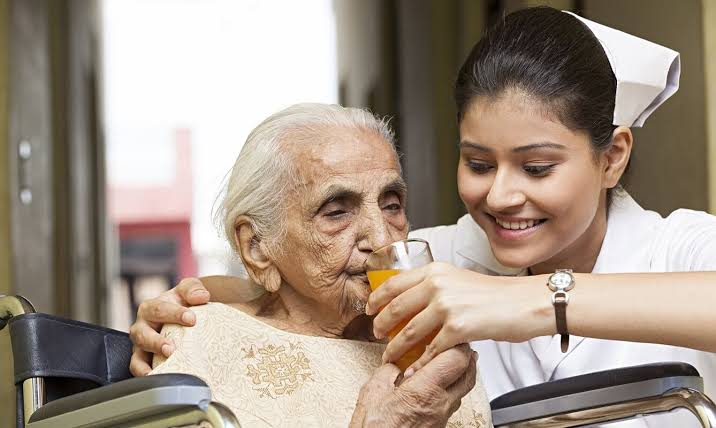
As our loved ones grow older, they often need extra support to live comfortably and safely. Many families want to provide the best possible care without moving their parents or grandparents into a nursing home. This is where elderly care services at home become extremely valuable. Home-based elderly care allows seniors to remain in a familiar environment while receiving the assistance they need.
- Introduction
- What Are Elderly Care Services at Home?
- Benefits of Elderly Care Services at Home
- 1. Comfort and Familiarity
- 2. Personalized Care
- 3. Increased Independence
- 4. Better Family Involvement
- 5. Improved Safety
- Types of Elderly Care Services at Home
- Personal Care Assistance
- Companion Care
- Meal Preparation
- Medication Reminders
- Light Housekeeping
- Skilled Nursing Care
- Specialized Dementia and Alzheimer’s Care
- How to Choose the Best Elderly Care Services at Home
- Assess Care Needs
- Check Qualifications
- Read Reviews
- Ask About Care Plans
- Evaluate Communication
- Consider Availability
- Signs That an Elderly Person May Need Home Care
- The Emotional Benefits of Home Care
- Technology and Modern Home Care
- Cost of Elderly Care Services at Home
- Conclusion
- Frequently Asked Questions (FAQs)
The demand for elderly care services at home has increased significantly in recent years. Families are looking for compassionate, professional, and personalized care solutions that help older adults maintain their independence and dignity. Whether a senior needs help with daily activities, medical care, companionship, or specialized support, home care services can make a huge difference in their quality of life.
This article explains the benefits, types, and importance of the best elderly care services at home and helps families choose the right care option for their loved ones.
What Are Elderly Care Services at Home?
Elderly care services at home refer to professional support provided to seniors in their own homes. These services are designed to help older adults with everyday tasks, healthcare needs, and emotional well-being.
Home care can be customized according to the individual’s needs. Some seniors may require only a few hours of assistance each week, while others may need full-time or live-in care. The goal is to improve comfort, safety, and overall quality of life.
Unlike institutional care facilities, home care allows seniors to stay in familiar surroundings, maintain their routines, and remain close to family members and friends.
Benefits of Elderly Care Services at Home
1. Comfort and Familiarity
One of the biggest advantages of elderly care services at home is that seniors can remain in their own homes. Familiar surroundings provide emotional comfort and reduce stress. Many elderly individuals feel happier and more secure when they stay in a place filled with memories and personal belongings.
2. Personalized Care
Home care services are tailored to meet the specific needs of each individual. Caregivers can focus entirely on one person, ensuring better attention and customized support.
3. Increased Independence
Many seniors value their independence. Home care allows them to continue their daily routines while receiving assistance only when needed. This helps preserve confidence and self-esteem.
4. Better Family Involvement
Family members can remain actively involved in their loved one’s care. They can monitor progress, communicate with caregivers, and participate in important decisions.
5. Improved Safety
Professional caregivers help reduce the risk of falls, medication errors, and other common hazards that seniors may face at home.
Types of Elderly Care Services at Home
Personal Care Assistance
Personal care services help seniors with daily living activities such as:
- Bathing
- Dressing
- Grooming
- Toileting
- Mobility assistance
These services ensure seniors remain clean, comfortable, and confident.
Companion Care
Loneliness is a common challenge among older adults. Companion caregivers provide emotional support, friendly conversation, and social interaction. They may also accompany seniors on walks, appointments, or recreational activities.
Meal Preparation
Proper nutrition is essential for healthy aging. Caregivers can prepare balanced meals based on dietary needs and preferences. They can also assist with grocery shopping and meal planning.
Medication Reminders
Many seniors take multiple medications daily. Home caregivers provide reminders to ensure medications are taken correctly and on time.
Light Housekeeping
Maintaining a clean and organized home contributes to better health and safety. Caregivers often assist with:
- Laundry
- Dishwashing
- Vacuuming
- Dusting
- General cleaning
Skilled Nursing Care
Some elderly individuals require medical support at home. Skilled nurses can provide:
- Wound care
- Injections
- Health monitoring
- Chronic disease management
- Post-surgery care
Specialized Dementia and Alzheimer’s Care
Seniors living with dementia or Alzheimer’s disease require specialized support. Trained caregivers help manage memory-related challenges while creating a safe and structured environment.
How to Choose the Best Elderly Care Services at Home
Choosing the right provider is an important decision. Consider the following factors:
Assess Care Needs
Start by identifying the level of care required. Determine whether your loved one needs companionship, personal care, medical assistance, or a combination of services.
Check Qualifications
Ensure caregivers are properly trained and experienced. Verify certifications, licenses, and professional backgrounds.
Read Reviews
Look for reviews and testimonials from other families. Positive feedback often indicates reliable and high-quality service.
Ask About Care Plans
The best elderly care services at home offer customized care plans that can be adjusted as needs change.
Evaluate Communication
Good communication is essential. Choose a provider that keeps family members informed and responds promptly to concerns.
Consider Availability
Make sure services are available when needed, including evenings, weekends, and emergencies.
Signs That an Elderly Person May Need Home Care
Many families are unsure when to seek professional assistance. Some common signs include:
- Frequent falls or mobility issues
- Difficulty managing medications
- Poor personal hygiene
- Memory problems
- Weight loss or poor nutrition
- Social isolation
- Difficulty performing household tasks
- Increased confusion or forgetfulness
Recognizing these signs early can prevent more serious health and safety issues.
The Emotional Benefits of Home Care
The emotional well-being of seniors is just as important as physical health. Professional caregivers often become trusted companions who provide encouragement and emotional support.
Regular social interaction helps reduce feelings of loneliness, anxiety, and depression. Seniors who receive compassionate care at home often experience greater happiness and improved mental health.
Family members also benefit emotionally. Knowing a loved one is receiving quality care provides peace of mind and reduces caregiver stress.
Technology and Modern Home Care
Technology has improved elderly care services at home in many ways. Caregivers and families can use:
- Medication reminder apps
- Video calls
- Health monitoring devices
- Emergency alert systems
- Telehealth consultations
These tools enhance safety and make communication easier between seniors, caregivers, and healthcare professionals.
Cost of Elderly Care Services at Home
The cost of home care varies depending on several factors:
- Type of care required
- Number of care hours
- Location
- Level of medical support
While some families worry about expenses, home care can often be more affordable than residential care facilities. Additionally, many providers offer flexible plans to meet different budgets.
It is important to compare services and understand pricing before making a decision.
Conclusion
Finding the best elderly care services at home is one of the most important decisions a family can make. Home care provides comfort, safety, independence, and personalized support for seniors while allowing them to remain in familiar surroundings.
From companionship and personal care to skilled nursing and specialized dementia support, home care services can improve the quality of life for elderly individuals and provide peace of mind for their families. By carefully assessing needs and choosing a trusted provider, families can ensure their loved ones receive compassionate and professional care in the place they call home.
Frequently Asked Questions (FAQs)
1. What are elderly care services at home?
Elderly care services at home provide professional support for seniors in their own homes, including personal care, companionship, housekeeping, and medical assistance.
2. How do I know if my elderly parent needs home care?
Signs include difficulty with daily activities, memory issues, poor hygiene, medication problems, mobility challenges, and increased isolation.
3. Are home care services better than nursing homes?
It depends on individual needs. Many seniors prefer home care because it offers personalized support and allows them to remain in familiar surroundings.
4. Can home caregivers help with medical needs?
Yes. Skilled nurses can provide medical services such as wound care, health monitoring, medication management, and post-surgery support.
5. How much do elderly care services at home cost?
Costs vary based on the type of care, hours required, location, and level of support needed. Many providers offer flexible care plans to fit different budgets.