

Knee pain is one of the most common problems faced by people of all ages. It can affect young athletes, working adults, and especially older people. Simple daily tasks like walking, climbing stairs, or even sitting for long hours can become difficult when knee pain starts.
- Understanding Knee Pain
- 1. Rest and Activity Balance
- 2. Ice and Heat Therapy
- 3. Exercise and Physical Therapy
- 4. Weight Management
- 5. Pain Relief Medications (Non-Surgical Support)
- 6. Knee Supports and Braces
- 7. Physiotherapy and Manual Therapy
- 8. Natural Remedies and Lifestyle Changes
- 9. Injection Treatments (Non-Surgical Medical Option)
- 10. Alternative Therapies
- 11. When to Avoid Surgery
- Final Thoughts
The good news is that in many cases, knee pain can be treated without surgery. Surgery is usually the last option. Most people improve with natural care, lifestyle changes, exercises, and non-invasive treatments.
In this article, we will explain knee pain treatment without surgery in a simple and human way so you can understand what really works and how you can start feeling better step by step.
Understanding Knee Pain
The knee is a strong joint that carries your body weight every day. It connects your thigh bone (femur) with your shin bone (tibia). Because it is used so much, it is also easily affected by injury, wear and tear, or inflammation.
Common causes of knee pain include:
- Aging and joint wear (osteoarthritis)
- Injury or ligament strain
- Excess body weight
- Overuse from exercise or physical work
- Poor posture or weak muscles
- Inflammation or swelling in the joint
Before thinking about surgery, doctors usually recommend non-surgical treatments first.
1. Rest and Activity Balance
One of the simplest treatments is resting the knee properly. But this does not mean complete bed rest.
Instead, you need a balance:
- Avoid activities that increase pain
- Do not overuse the knee
- But keep the joint gently active
Too much rest can make the knee stiff. Light movement helps blood flow and healing.
2. Ice and Heat Therapy
This is a very common and effective home treatment.
Ice Therapy
Ice helps reduce swelling and pain. It is useful after injury or flare-ups.
- Apply ice pack for 15–20 minutes
- Do it 2–3 times a day
- Never place ice directly on skin
Heat Therapy
Heat helps relax stiff muscles and improves blood circulation.
- Use warm towel or heating pad
- Apply for 15–20 minutes
- Best for long-term stiffness or arthritis pain
3. Exercise and Physical Therapy
Exercise is one of the most powerful knee pain treatments without surgery. Strong muscles around the knee support the joint and reduce pressure.
Helpful exercises include:
- Straight leg raises
- Gentle knee bends
- Hamstring stretches
- Swimming or water exercises
- Cycling on a stationary bike
A physiotherapist can create a custom plan for you. Regular exercise can reduce pain over time and improve movement.
4. Weight Management
Extra body weight puts pressure on the knees. Even a small weight loss can make a big difference.
For example:
- Losing 5 kg can reduce knee pressure by a large amount
- Less pressure = less pain and inflammation
Healthy eating and light exercise together help reduce stress on joints.
5. Pain Relief Medications (Non-Surgical Support)
Doctors may recommend over-the-counter medicines such as:
- Paracetamol
- Anti-inflammatory drugs (like ibuprofen)
These help reduce pain and swelling temporarily. However, they should not be used long-term without medical advice.
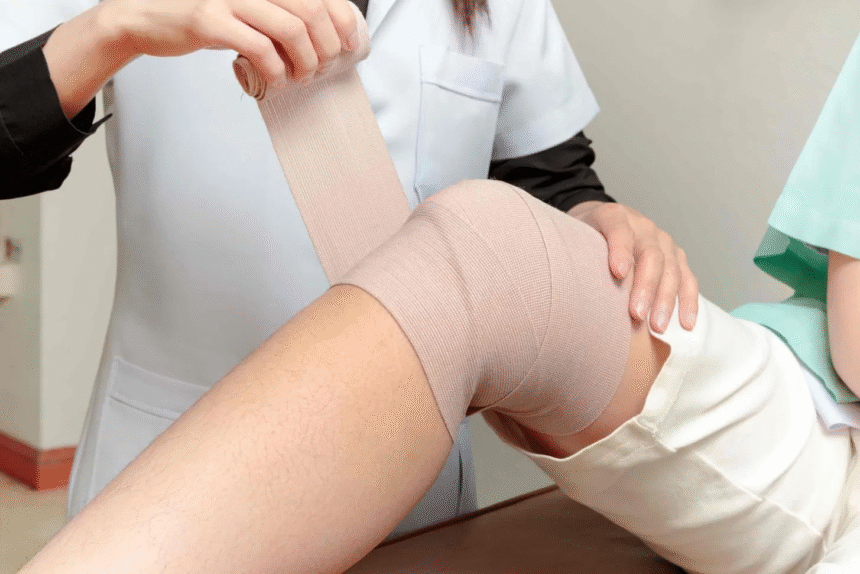
6. Knee Supports and Braces
Knee braces or supports help stabilize the joint. They are especially useful when:
- Walking or standing for long periods
- Doing physical work
- Recovering from injury
They reduce strain and give the knee extra support.
7. Physiotherapy and Manual Therapy
Physiotherapy is one of the best non-surgical treatments. A trained therapist helps you:
- Strengthen muscles
- Improve flexibility
- Correct movement patterns
- Reduce stiffness
Some therapies include:
- Massage therapy
- Ultrasound therapy
- Electrical stimulation
These treatments improve healing without surgery.
8. Natural Remedies and Lifestyle Changes
Many people find relief using simple natural methods.
Some helpful options:
- Turmeric (anti-inflammatory properties)
- Ginger tea
- Omega-3 rich foods (fish, nuts, seeds)
- Warm Epsom salt baths
Lifestyle changes also matter:
- Avoid sitting for too long
- Use proper footwear
- Maintain good posture
- Avoid heavy lifting
9. Injection Treatments (Non-Surgical Medical Option)
If pain is moderate to severe, doctors may suggest injections such as:
- Steroid injections (reduce inflammation)
- Hyaluronic acid injections (lubricate the joint)
These are not surgery and can provide relief for weeks or months.
10. Alternative Therapies
Some people also benefit from:
- Acupuncture
- Chiropractic care
- Yoga and stretching programs
These therapies help improve circulation, flexibility, and pain management.
11. When to Avoid Surgery
Surgery is usually not needed when:
- Pain is manageable with medication or therapy
- You can still move the knee
- There is no severe joint damage
- Symptoms improve with exercise and care
Doctors only recommend surgery when all non-surgical treatments fail.
Final Thoughts
Knee pain can be frustrating, but it does not always mean you need surgery. In fact, most people improve with simple and consistent non-surgical treatments like exercise, weight control, physiotherapy, and lifestyle changes.
The key is patience. Knee healing takes time. If you take care of your joints every day, reduce stress on your knees, and follow proper treatment, you can significantly reduce pain and improve your quality of life.
Always consult a doctor or physiotherapist before starting any treatment plan, especially if the pain is severe or long-lasting.
FAQs About Knee Pain Treatment Without Surgery
1. Can knee pain really be treated without surgery?
Yes, most mild to moderate knee pain can be treated without surgery using exercise, therapy, medication, and lifestyle changes.
2. How long does it take to recover from knee pain without surgery?
It depends on the cause, but improvement can be seen in a few weeks to a few months with regular care.
3. Is walking good for knee pain?
Yes, gentle walking is helpful. However, avoid over-walking or high-impact activities if pain increases.
4. What is the best exercise for knee pain?
Straight leg raises, stretching, swimming, and cycling are considered very safe and effective.
5. When should I see a doctor for knee pain?
If pain lasts more than a few weeks, gets worse, or limits movement, you should consult a doctor.